Best Awareness Books for Teens
A sense of awareness can be divided into two categories: one is the awareness of the relationship, and the other is about self-awareness. In fact, they are not the same, but are intertwined. So, what are the differences?
Category 1: Awareness of Relationship
Learning value:
Human cannot live alone. All of us must live with living things or non-living things. Living things like our friends, parents, animals, or plants. Non-living things like water, planets, clothes, money, or stationery.
When the awareness of relationship is concerned, we must consider a broader view and observe what happened, may or will be happening and what impact it has not even in the current state, but also in the future. Most importantly, it is not only for us but also for the others.
That said, when we are talking about a sense of awareness of the relationship, we must have a target and specific topics for teens to discuss and explore. Here are some of them:
- Value of Life
- Love
- Families
- Parents and Teachers
- Friends
- Seasons
- Festivals
- Pets
- Environment
Teens can learn life is the most precious thing in life. There are different life cycles for a human to adventure: birth, infancy, childhood, adolescence, adulthood, old age, and then, finally, death. No one can escape death, not even their parents.
To understand the concept of a life cycle, we can encourage teens to find gratitude and appreciation for existing in each moment of life. Most importantly, teens can learn to seriously cherish life. We all have one chance in life.
Teens can learn to love each other regardless of their age, gender, body limitations, nationality, education, or religious beliefs. It can be done by expressing empathy, compassion, respect for different opinions, kindness, giving presents at special festivals, and hugs.
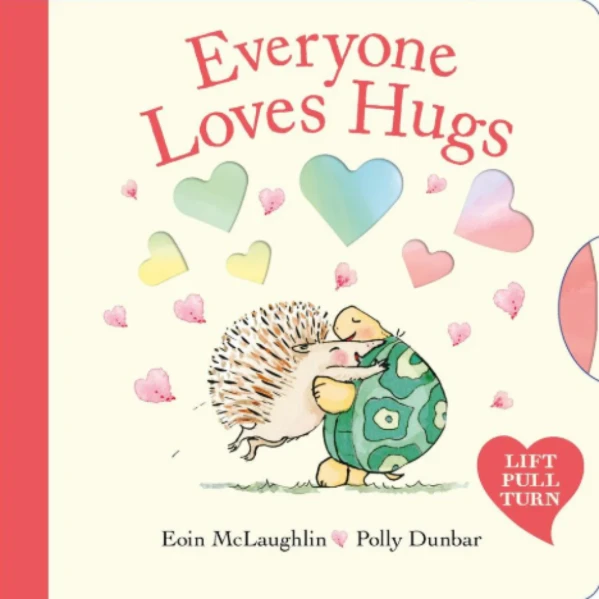
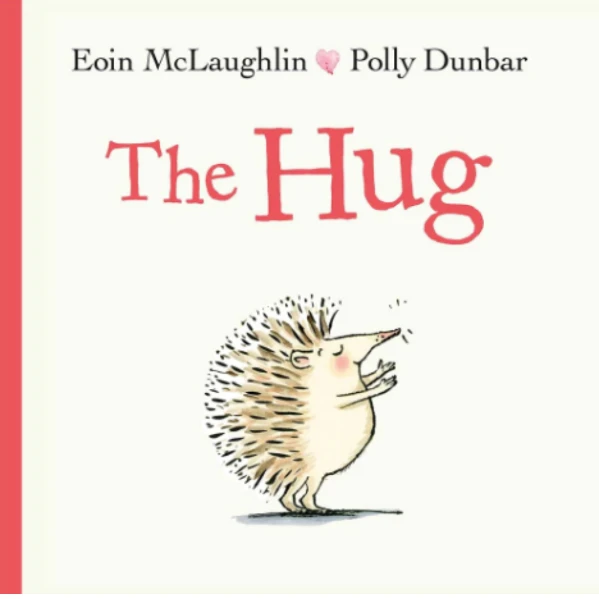
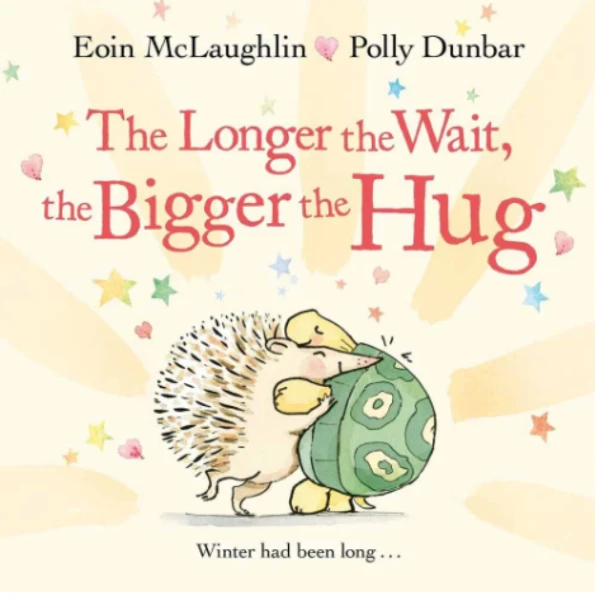
Embracing with love can solve many geographical deviations and body limitations. For example, in a children picture books series, a tortoise has a hard shell, and a hedgehog has pricky prickles. They also can hug together.
Mum, Dad, Grandpa, Grandma, and teachers are important to everyone. They can inspire, supporting, encourage, and nurture teens to become excellent people without asking for anything in return.
So, on Mother’s Day, Father’s Day, National Grandparents Day, and World Teachers’ Day, teens can express sincere blessings for their efforts, dedications and devotion to you.
Teens can learn they are part of the family. They can learn how a family is formed, where they live, they roles of each member, and how they celebrate the festivals with each other.
Teens can learn each family has diversity. Some teens may come from single-parent, adoptive, foster, divorced, or remarried parents.
Understanding family diversity does not only help teens to identify family structure but also help teens to understanding that regardless of the family structure and the hardship situation they are living in at the current moment, they are not alone and beloved by everyone.
Teens can learn that friendship is not only crucial in their life journey but also helps them to maintain better mental health. A friendship can last a long time. You can enjoy happiness through entertainment, share sadness through failure, be mutually helpful and encourage learning.
Teens can learn what the definition of friends is. Why do we need friends? How can we make friends? What does it mean to be a good friend? They can also learn how to maintain friendships and deal with conflicts when they are facing arguments.
Most importantly, teens need to know how to choose friendly cautiously. They need to establish a healthy boundary in friendship, such as avoiding bullies. It is because a poor friendship can ruin teens’ lives.
Different seasons have different weather conditions. That influences what clothes we are going to wear, what activities we are going to play, what food we are going to eat, what farmers are going to crop, what flowers are going to bloom, and what kinds of animals are going to hibernate in winter and wake up in spring.
Once teens have a basic understanding of the seasons, they may be surprised to discover each festival has its distinct characteristics, and each of them is perfectly aligned with the weather.
For example, in summer, it is a good time for teens to attend outdoor activities, such as swimming or sunbathing, to celebrate happiness with parents or friends. We also have Father’s Day and Mother’s Day to give teens a chance to say “I love you” and give them a hug.
In winter, there are two universal celebrations, Thanksgiving and Christmas. Besides delivering your presents to each other, most importantly, Christmas and Thanksgiving Day are also the days for sharing sincere blessings with each other.
Understanding a wide variety of family-friendly pets, such as dogs, cats, fish, parrots, lizards, guinea pigs, snakes, rabbits, and tortoises. That can help teens understand their differences in eating, sleeping, or playing behavior.
If teens are interested in having one as their family member, they need to know each pet has its own living and eating characteristics and behavior. Moreover, home restrictions and the health of family members are also under consideration.
Most importantly, it is an opportunity for teens to learn the value of life. They need to declare they can take care of them throughout their life cycle without abandoning them in the meantime.
Teens can learn that by limiting the consumption, resources can be effectively utilized from generation to generation. This can prevent the depletion of resources and the extinction of species. Therefore, as one of the members of Earth, they have the right to do their part for the environment.
Teens learn environmental protection is everyone’s responsibility, and they can also preserve the environment from small behavioral changes, such as switching off appliances when out, cherishing food, and reducing, reusing, and recycling materials.
Benefits for teens:
Awareness of surroundings is also important for teens to learn about relationship establishment throughout their development. Reading books about relationship building can be beneficial to teens in the following aspects:
Sharing happiness – Teens can share happiness with others, such as by exchanging toys, helping other teens who have difficulties, donating stuff, or volunteering in voluntary organizations.
Helpfulness – Teens can be more awareness of the people that are in need in society. They do their best for helpless people regardless of how old you are, how much money you have, or your education level.
Social cohesion – All teens are part of society. They can pay more attention to topics such as climate change and avoid waste and recycling. Their awareness of everyone is equal regardless of difference in gender, appearance, and ability.
Cherish – Teens can develop cherished mindset about the importance of preserving the precious items that are not only for memorable purposes but also full of historical and touching stories that relate to people, places and values. A cherished mindset helps teens have a truly meaningful moment.
Teens can learn how to enjoy and cherish what they are having at the current moment, such as parents, grandma, grandpa, teachers, classmates, friends, and toys; embrace every happy moment living or playing together; be kind to anyone; and do not pursue materialism.
Appreciation – Reading appreciation content help teens to recognize not only brilliant moment but it also necessary for them to accept any difficult moment. Teens can mutually appreciate from friends or classmates by expressing thanks and admiration and accepting weakness from the others who are not their strength.
Gratitude – Reading gratitude contents, teens can cultivate and maintain a strong relationship with other people such as parents and teachers. Teens become more respectful of the guidance given by parents and teachers; it helps teens to feel they are full of love and well-being.
Sharing – The word “sharing” has different meaning for different people, or even in religious beliefs. For example, in Christianity, or Jesus Christ, “sharing” means love expressed through action. Buddhism is to reduce personal attachment and ego.
Sharing activities can help teens to develop love, generosity, and empathy regardless of people’s identities. People feel joyful as they are not being ignored. Teens also feel happy when they can help others. Sharing can start at home and then sustained in school and the community as well.
Book Recommendation
Awareness of Relationship – Value of Life
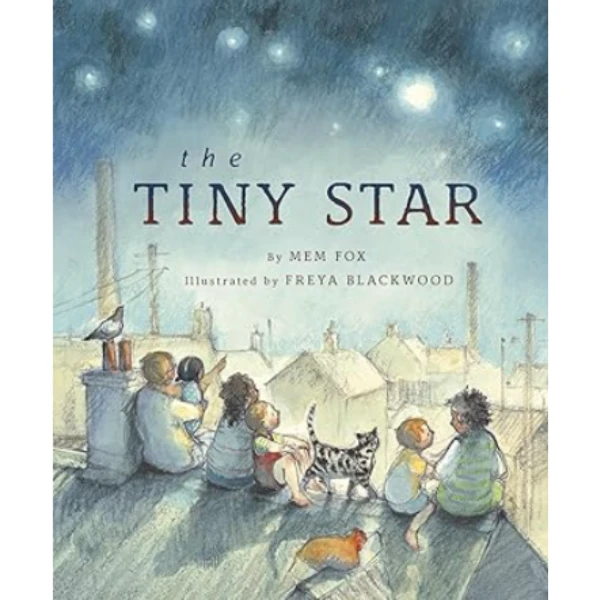
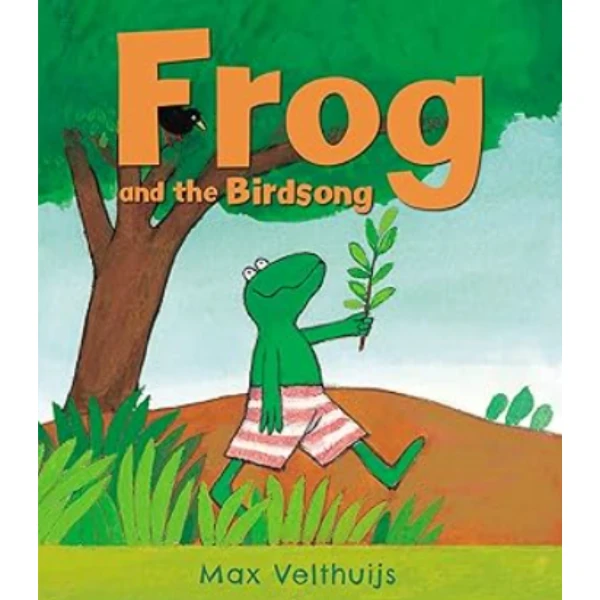
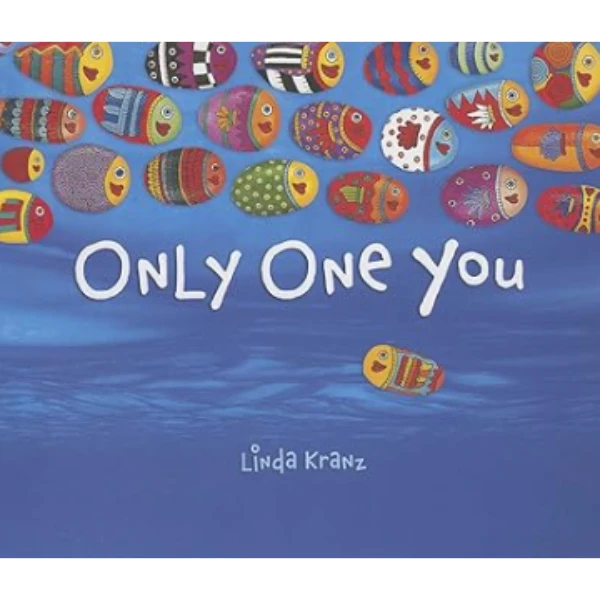
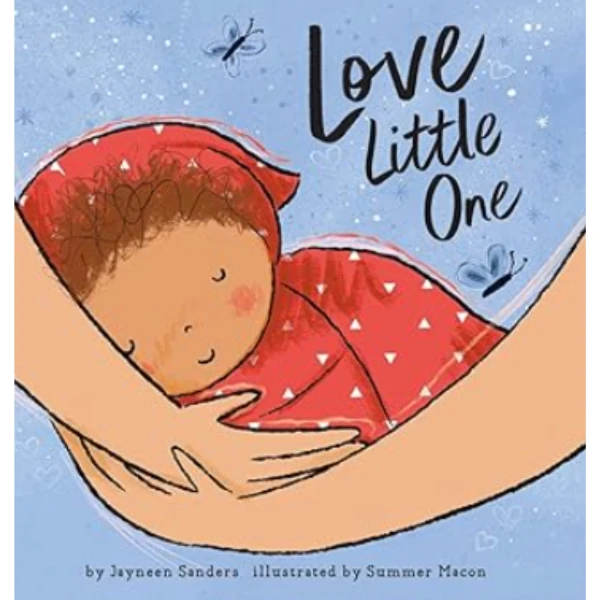
Awareness of Relationship – Love


Awareness of Relationship – Parents and Teachers
Awareness of Relationship – Family
Awareness of Relationship – Friends
Awareness of Relationship – Seasons
Awareness of Relationship – Festivals

Awareness of Relationship – Pets
Awareness of Relationship – Environment


Content Consideration
Love
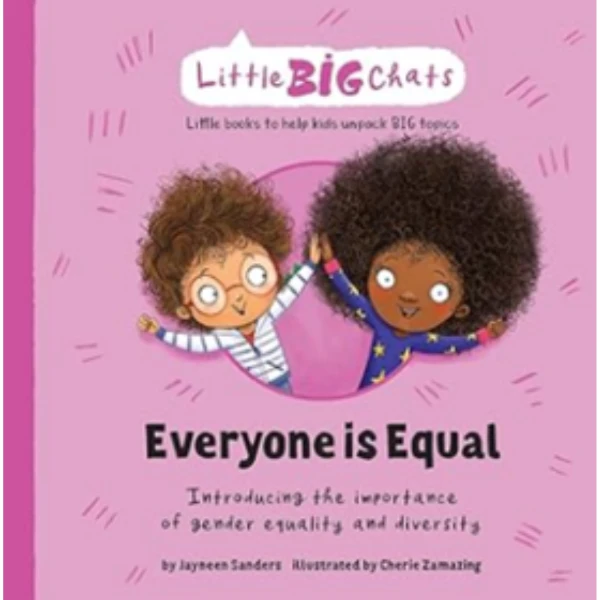
| Book Series / Book name | Little Pig Chats / Everyone is Equal |
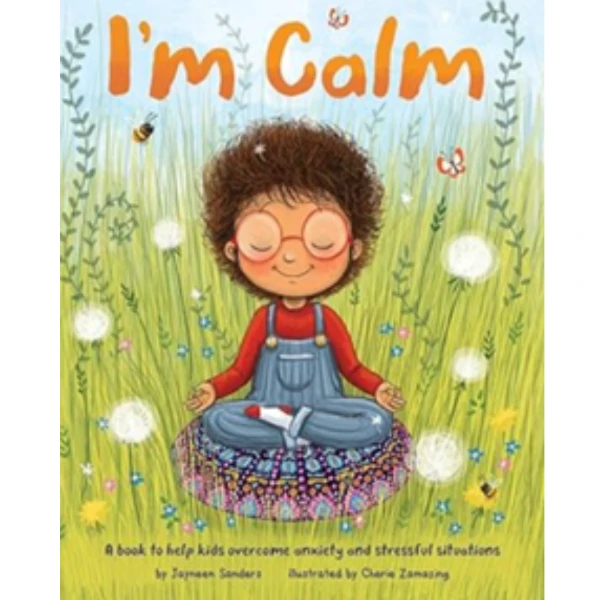
| Author name | Jayneen Sanders |
| Illustrator name | Cherie Zamazing |
| Recommended age | 2-5 years |
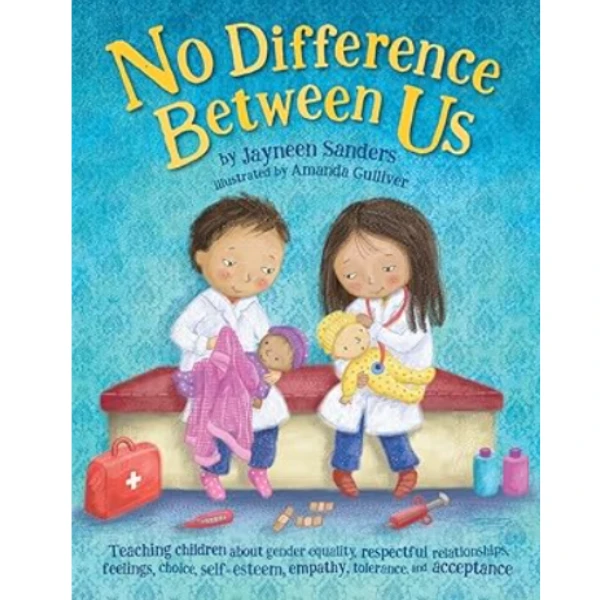
| Book name | No Difference Between Us |
| Author name | Jayneen Sanders |
| Illustrator name | Amanda Gulliver |
| Recommended age | 2-9 years |
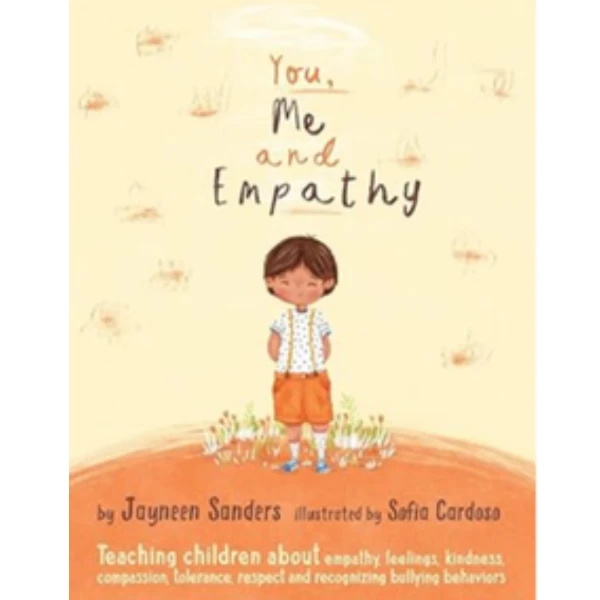
| Book name | You, Me & Empathy |
| Author name | Jayneen Sanders |
| Illustrator name | Sofia Cardoso |
| Recommended age | 3-8 years |
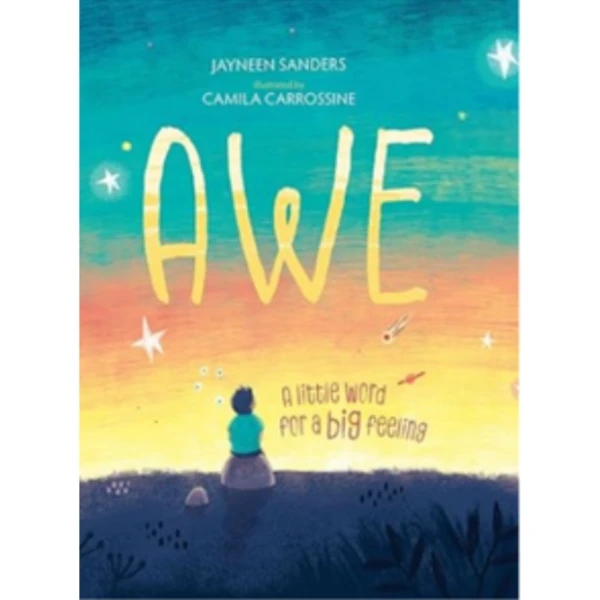
| Book name | AWE – A Little Word of Big Feeling |
| Author name | Jayneen Sanders |
| Illustrator name | Camila Carrossine |
| Recommended age | 5-11 years |
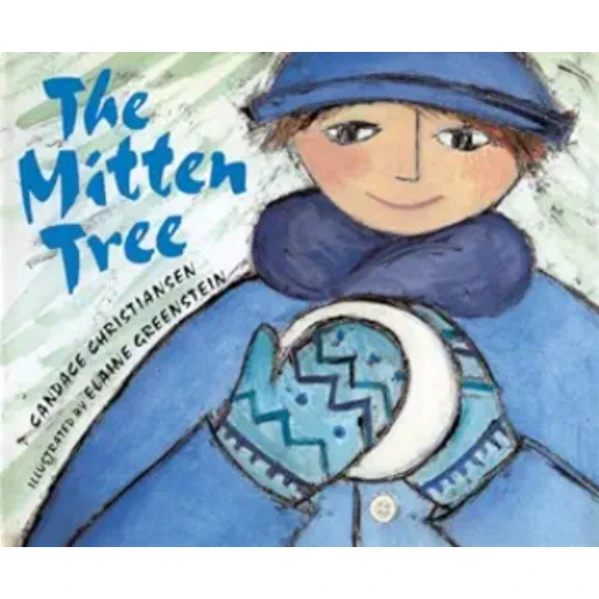
| Book name | The Mitten Tree |
| Author name | Candace Christiansen |
| Illustrator name | Greenstein Elaine |
| Recommended age | 3-6 |
| Book name | A Bowl Full of Peace |
| Author name | Caren Stelson |
| Illustrator name | Akira Kusaka |
| Recommended age | 6-11 |
| Book name | Everyone Loves Hugs |
| Author name | Eoin McLaughlin |
| Illustrator name | Polly Dunbar |
| Recommended age | Baby – 5 years |
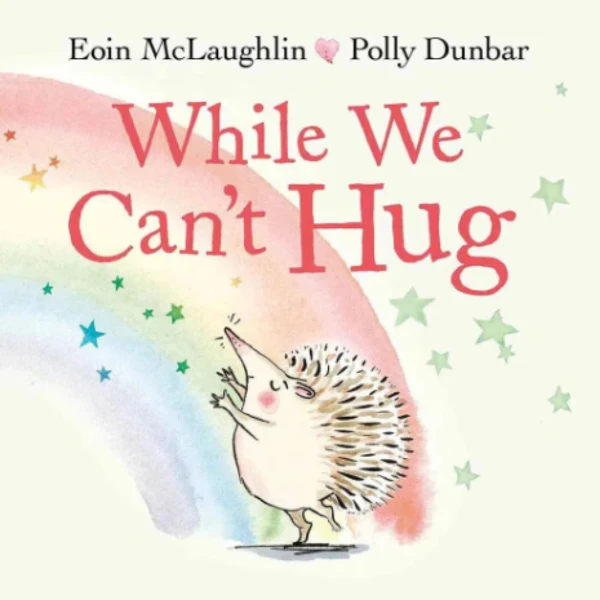
| Book name | While We Can’t Hug |
| Author name | Eoin McLaughlin |
| Illustrator name | Polly Dunbar |
| Recommended age | Baby – 5 years |
| Book name | The Hug |
| Author name | Eoin McLaughlin |
| Illustrator name | Polly Dunbar |
| Recommended age | – |
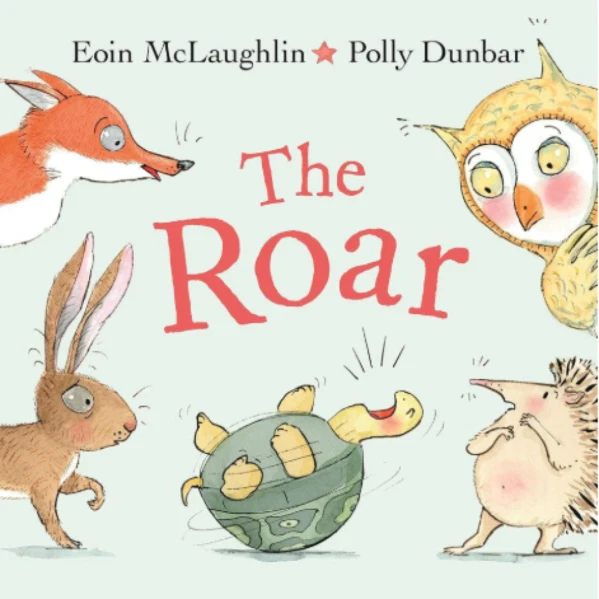
| Book Name | The Roar |
| Author name | Eoin McLaughlin |
| Illustrator Name | Polly Dunbar |
| Recommended age | Baby – 5 years |
| Book Name | The Kiss |
| Author name | Eoin McLaughlin |
| Illustrator Name | Polly Dunbar |
| Recommended age | Baby – 5 years |
| Book name | The Longer the Wait, The Bigger the Hug |
| Author name | Eoin McLaughlin |
| Illustrator name | Polly Dunbar |
| Recommended age | – |
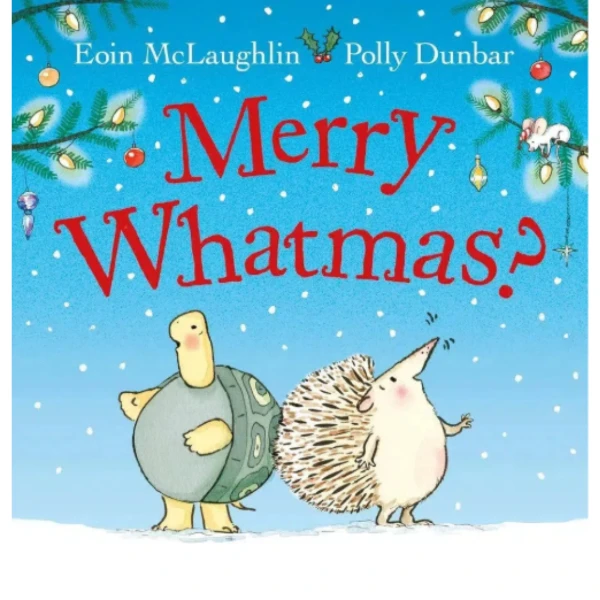
| Book name | Merry Whatmas |
| Author name | Eoin McLaughlin |
| Illustrator name | Polly Dunbar |
| Recommended age | Baby – 6 years |
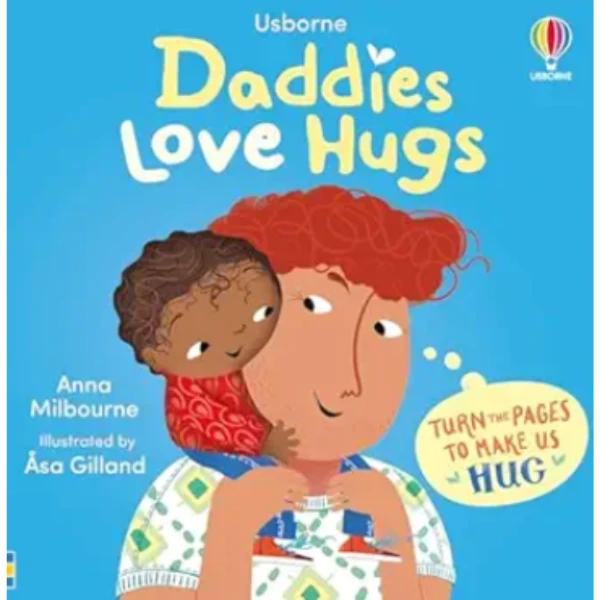
| Book name | Daddies Love Hugs |
| Author name | Anna Milbourne |
| Illustrator name | Asa Gilland |
| Recommended age | 1-4 |
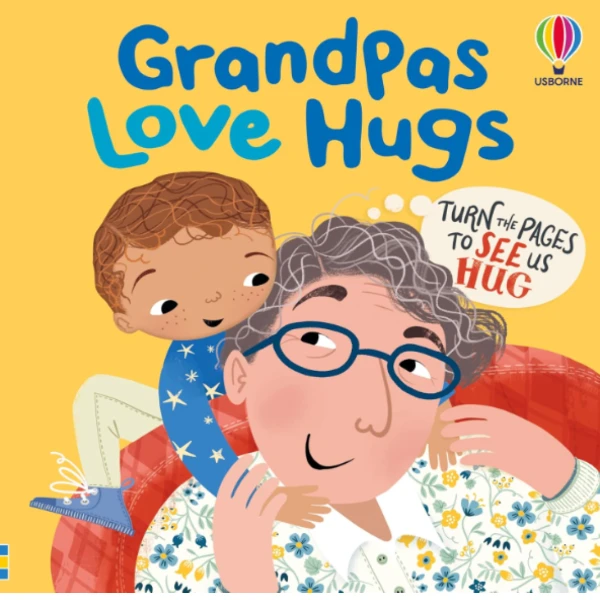
| Book name | Grandpas Love Hugs |
| Author name | Lara Bryan |
| Illustrator name | Asa Gilland |
| Recommended age | 1-4 |
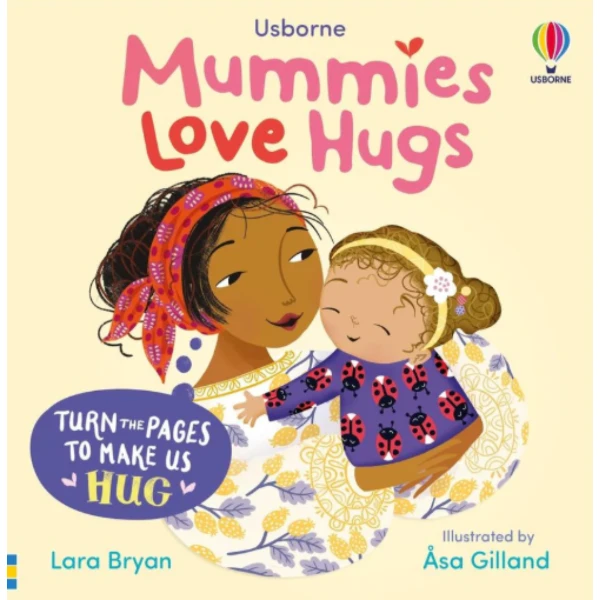
| Book name | Mummies Love Hug |
| Author name | Lara Bryan |
| Illustrator name | – |
| Recommended age | – |
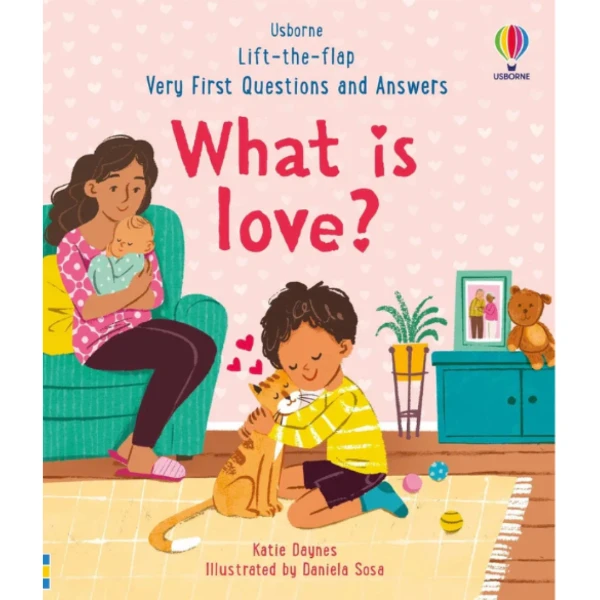
| Book name | What is Love |
| Author name | Katie Daynes |
| Illustrator name | Daniela Sosa |
| Recommended age | 3-5 |
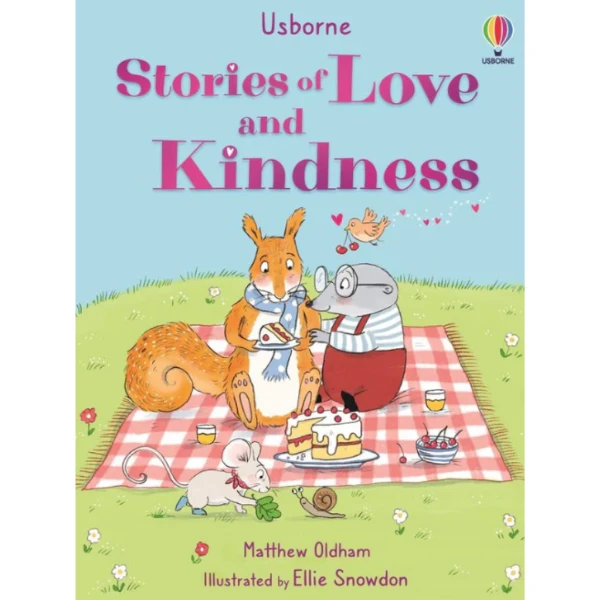
| Book name | Stories of Love & Kindness |
| Author name | Matthew Oldham |
| Illustrator name | Ellie Snowdon |
| Recommended age | – |
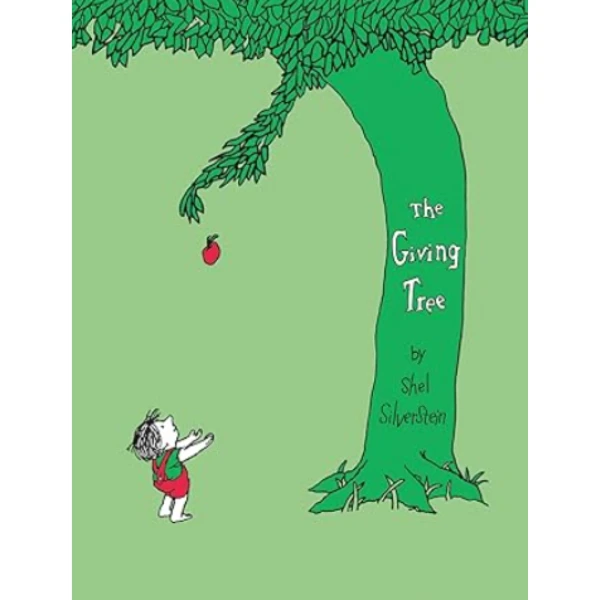
| Book name | The Giving Tree |
| Author name | Shel Silverstein |
| Illustrator name | – |
| Recommended age | 2+ years |
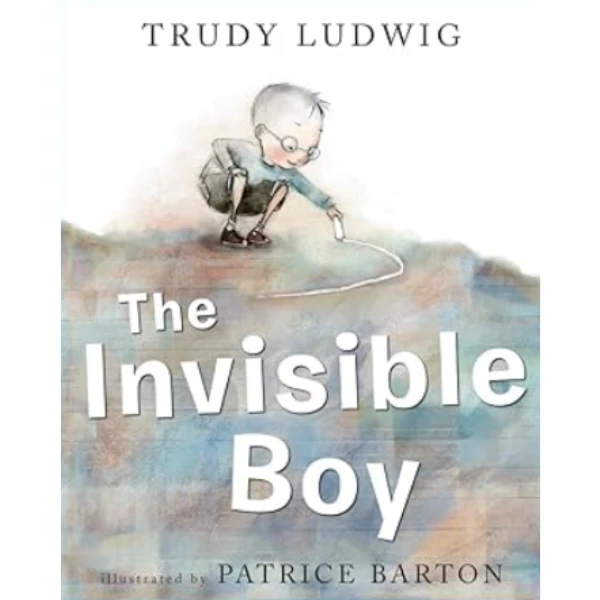
| Book name | The Invisible Boy |
| Author name | Trudy Ludwig |
| Illustrator name | Patrice Barton |
| Recommended age | 5-8 |
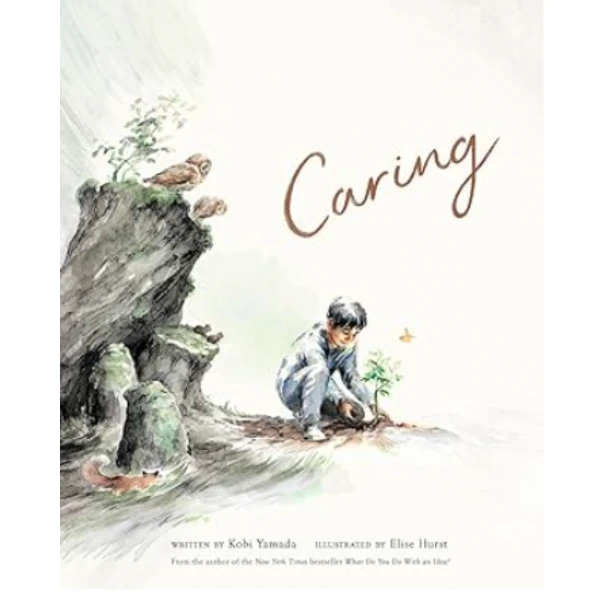
| Book name | Caring |
| Author name | Kobi Yamada |
| Illustrator name | Elise Hurst |
| Recommended age | 7-8 |
Parents & Teachers
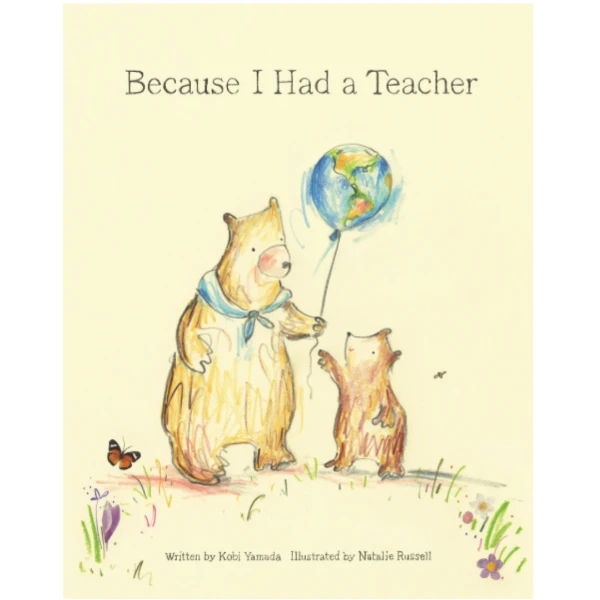
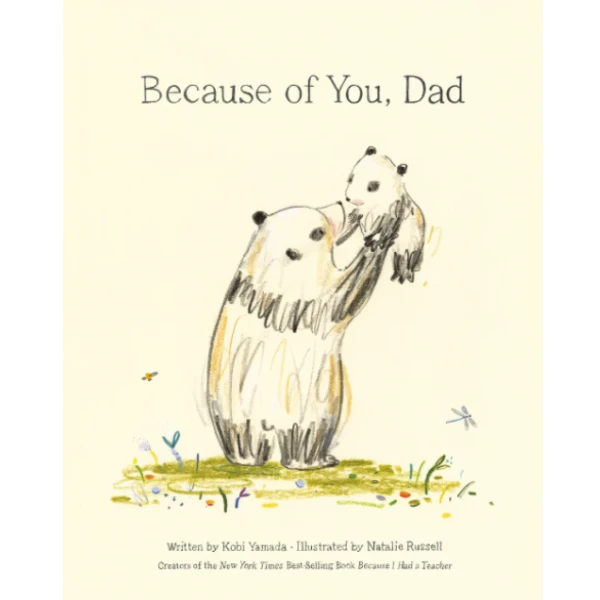
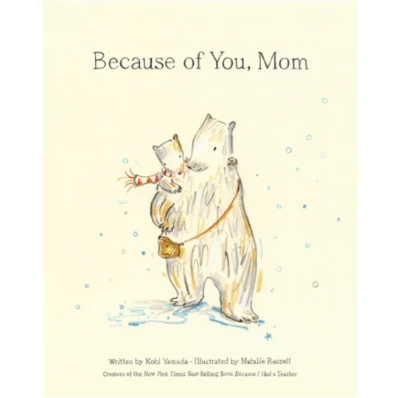
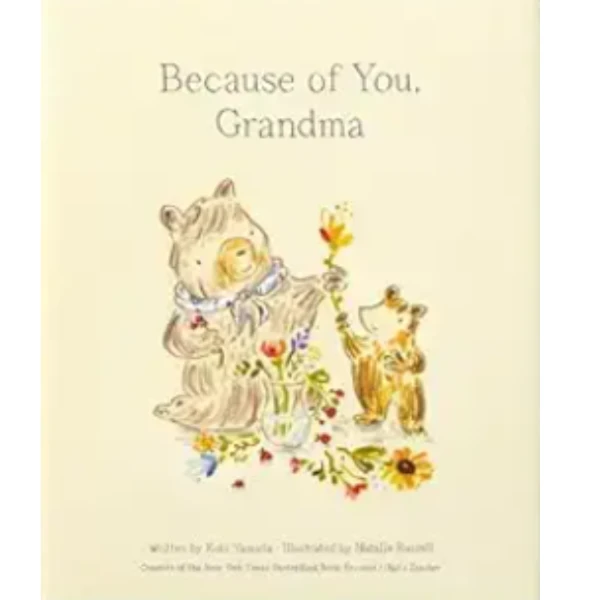
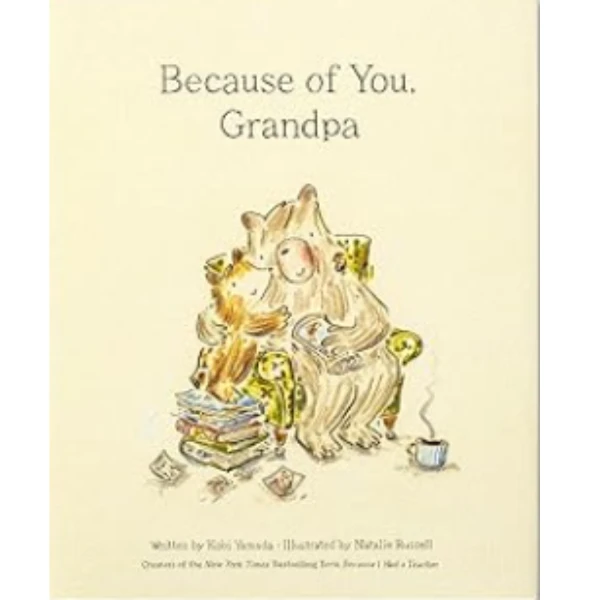
| Book Series / Book name | Because of You Because of You, Dad Because of You, Mum Because of You, Grandpa Because of You, Grandma Because I had a Teacher |
| Author name | Kobi Yamada |
| Illustrator name | Natelie Russell |
| Recommended age | – |
Family
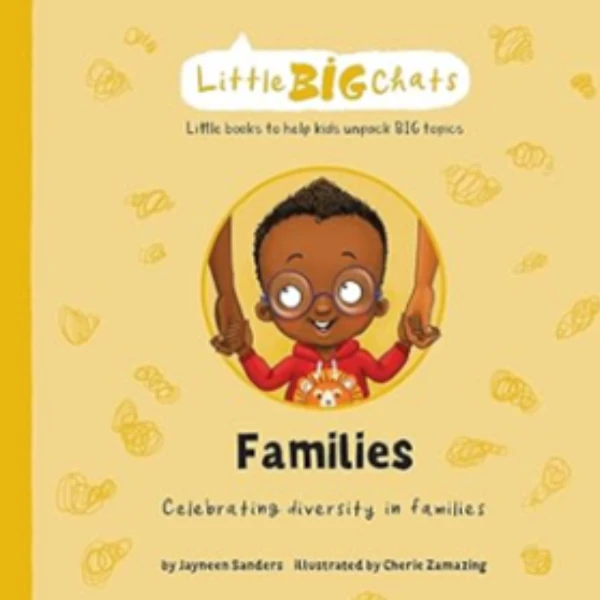
| Book name | Family |
| Author name | Jayneen Sanders |
| Illustrator name | Cherie Zamazing |
| Recommended age | 2-5 |
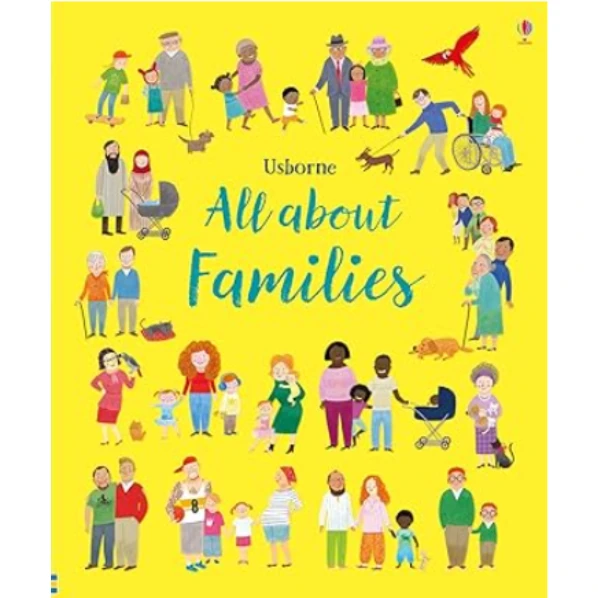
| Book Name | All About Families |
| Author name | Felicity Brooks |
| Illustrator name | Mar Ferrero |
| Recommended age | – |
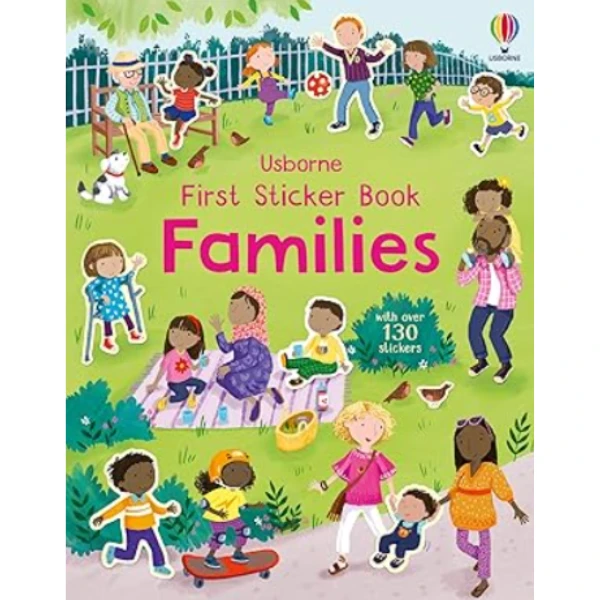
| Book Name | First Sticker Book Families |
| Author name | Holly Bathie / Alice Beecham |
| Illustrator name | Joanne Partis |
| Recommended age | 3-5 |
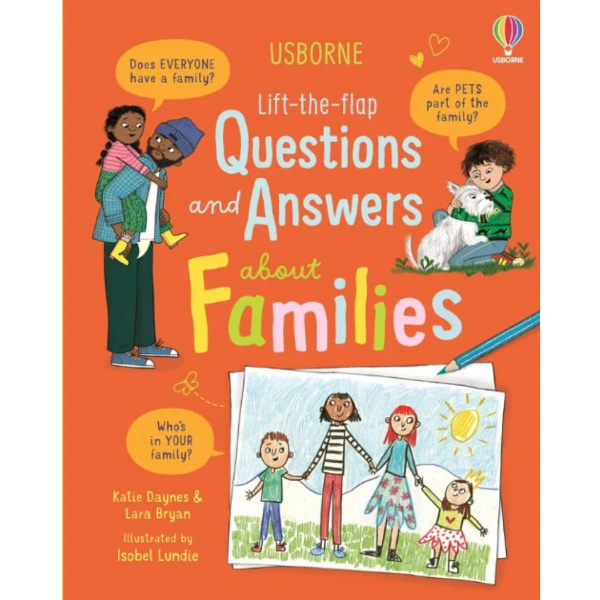
| Book Name | Questions and Answers About Families |
| Author name | Katie Daynes / Lara Bryan |
| Illustrator name | Isobel Lundie |
| Recommended age | 5 years and up |
Friends
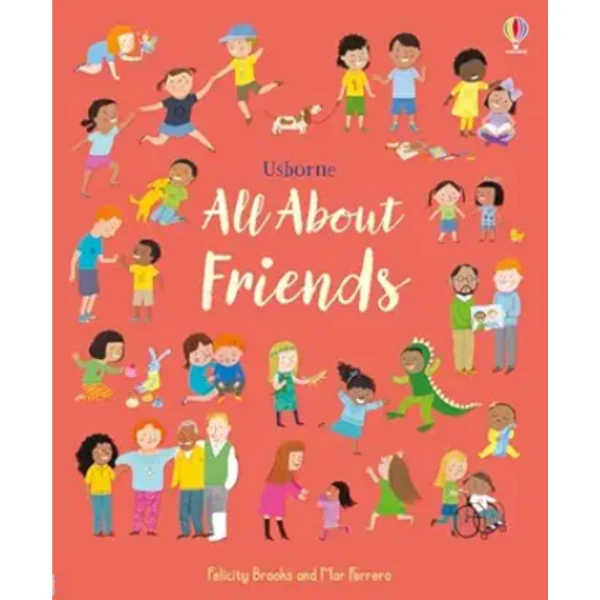
| Book Name | All About Friends |
| Author name | Felicity Brooks |
| Illustrator name | Mar Ferrero |
| Recommended age | 3 – 5 years |
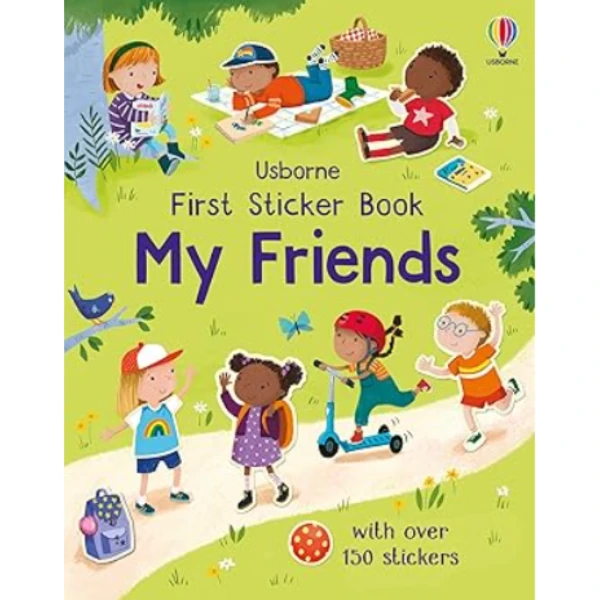
| Book Name | First Sticker Book My Friends |
| Author name | Holly Bathie |
| Illustrator name | Joanne Partis |
| Recommended age | 3 – 5 years |
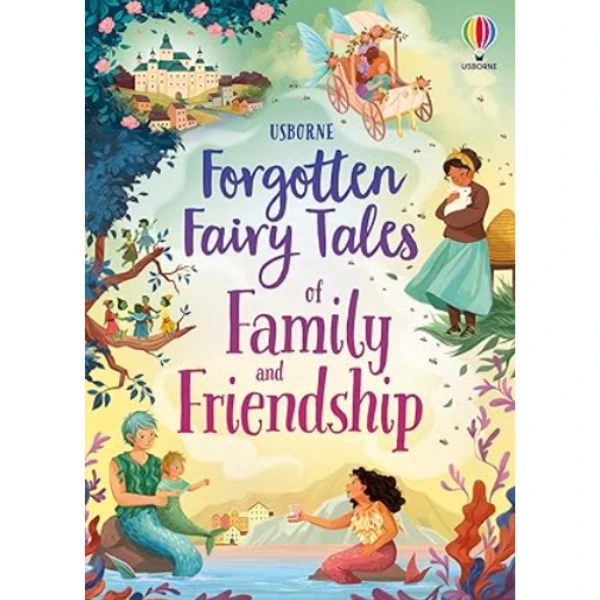
| Book Name | Forgotten Fairy Tales of Family Friendship |
| Author name | Mary Sebag-Montefiore |
| Illustrator name | Sian James / Sara Ugolotti |
| Recommended age | 6 – 10 years |
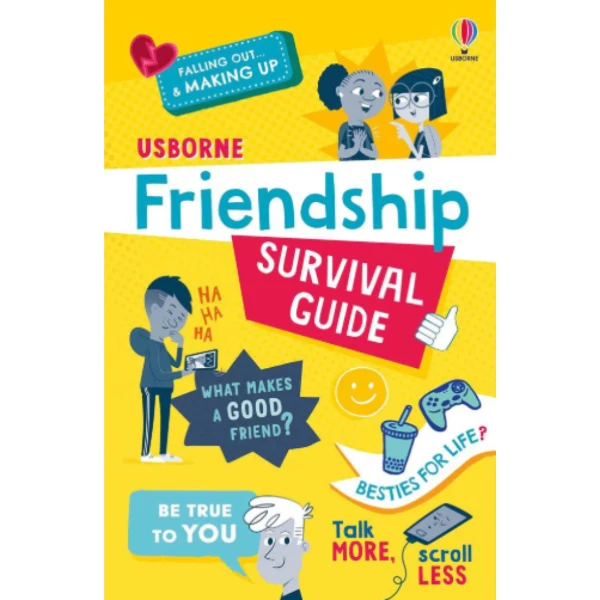
| Book Name | Friendship Survive Guide |
| Author name | Caroline Young |
| Illustrator name | – |
| Recommended age | – |
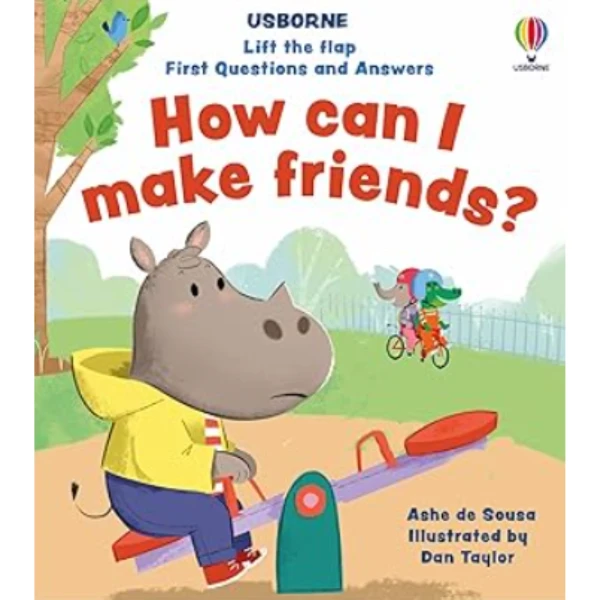
| Book Name | How Can I Make Friends |
| Author name | Dan Taylor |
| Illustrator name | Ashe de de Sousa |
| Recommended age | 4 – 6 years |
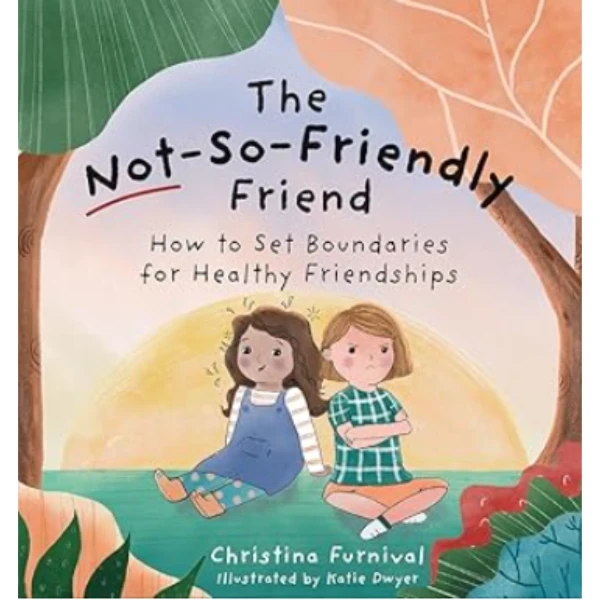
| Book Name | The Not-So-Friendly Friends |
| Author name | Christina Furnival |
| Illustrator name | Katie Dwyer |
| Recommended age | 4 – 7 years |
Seasons
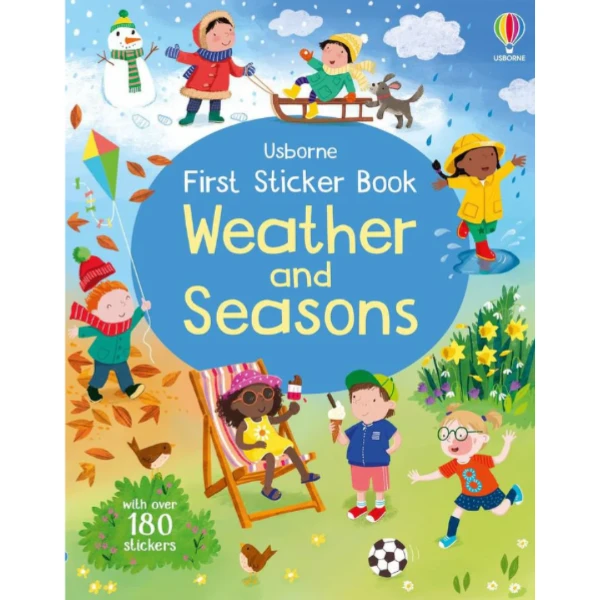
| Book Name | First Sticker Book Weather and Seasons |
| Author name | Alice Beecham |
| Illustrator name | Joanne Partis |
| Recommended age | – |
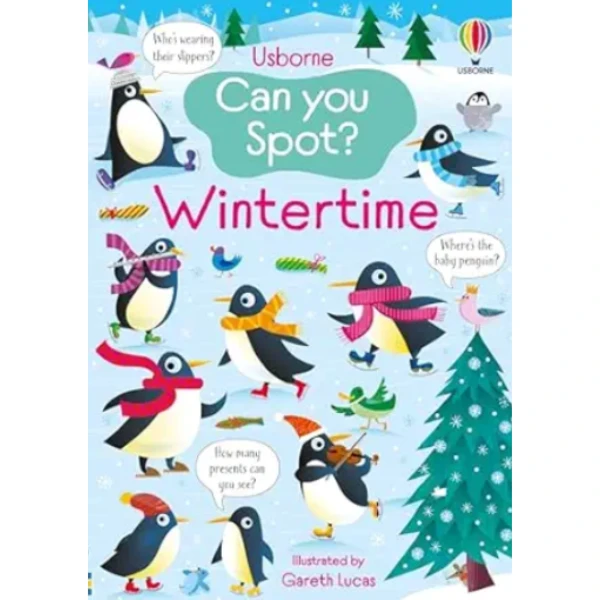
| Book Name | Can You Spot? Winter Time |
| Author name | Kirsteen Robson |
| Illustrator name | Gareth Lucas |
| Recommended age | 4 – 7 years |
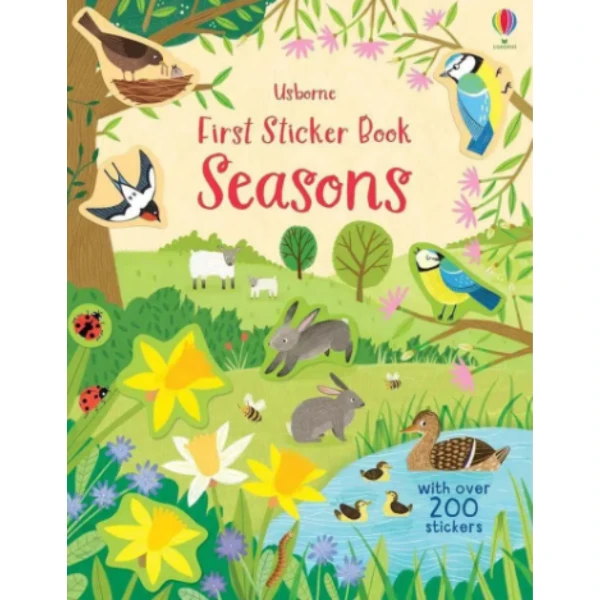
| Book Name | First Sticker Book Seasons |
| Author name | Holly Bathie |
| Illustrator name | Jean Claude |
| Recommended age | 3 – 5 years |
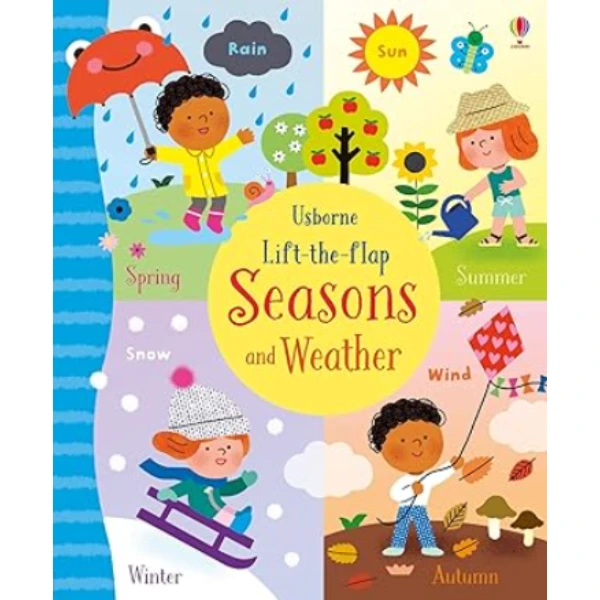
| Book Name | Lift the Flap Seasons and Weather |
| Author name | – |
| Illustrator name | – |
| Recommended age | – |
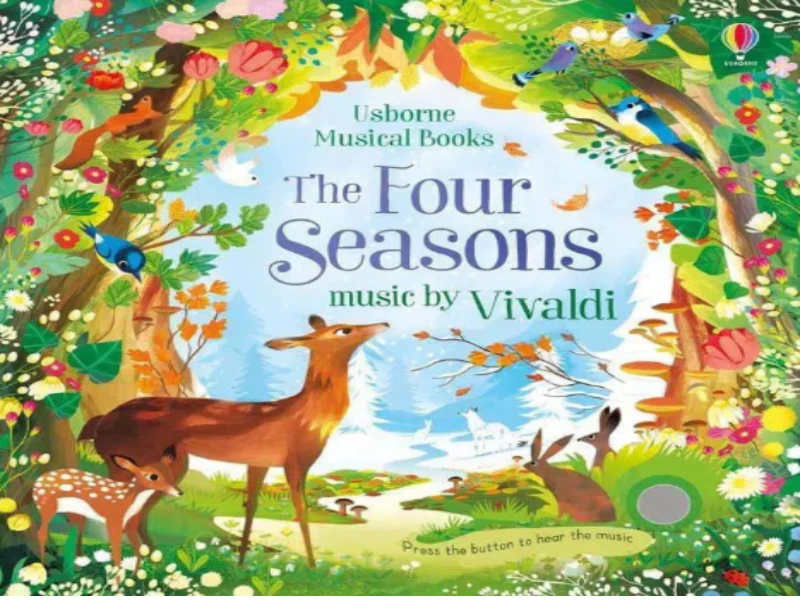
| Book Name | The Four Seasons |
| Author name | – |
| Illustrator name | – |
| Recommended age | – |
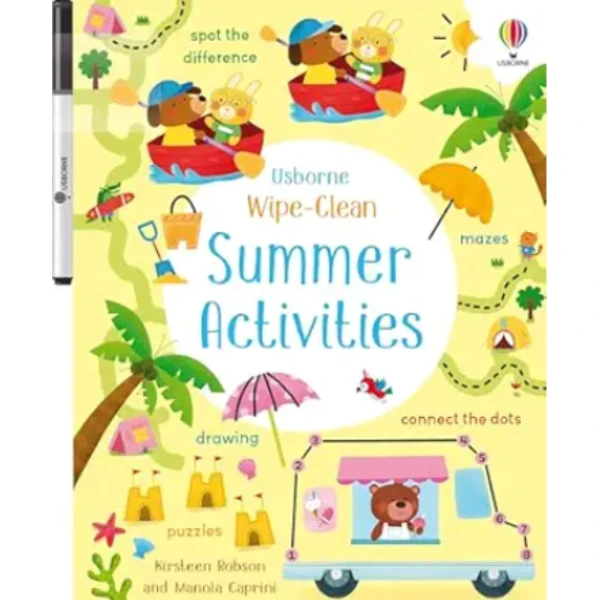
| Book Name | Wipe Clean Summer Activities |
| Author name | Kirsteen Robson |
| Illustrator name | Manola Caprini |
| Recommended age | 3 – 5 years |
Festivals
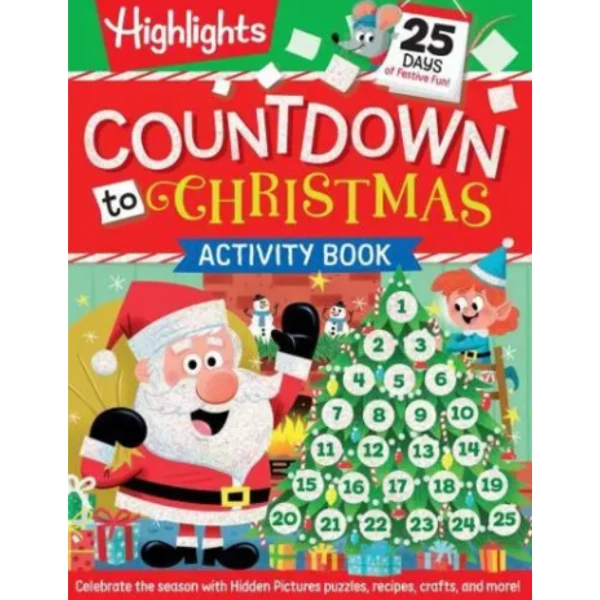
| Book Name | Countdown Christmas |
| Author name | – |
| Illustrator name | – |
| Recommended age | – |
| Book Name | Little First Sticker Chinese New Year |
| Author name | Amy Chiu / Kristie Pickergill |
| Illustrator name | BlueBean |
| Recommended age | 3 – 6 years |
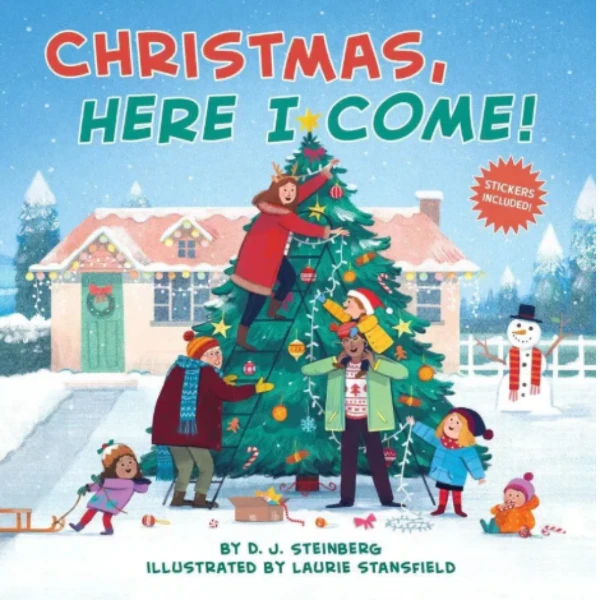
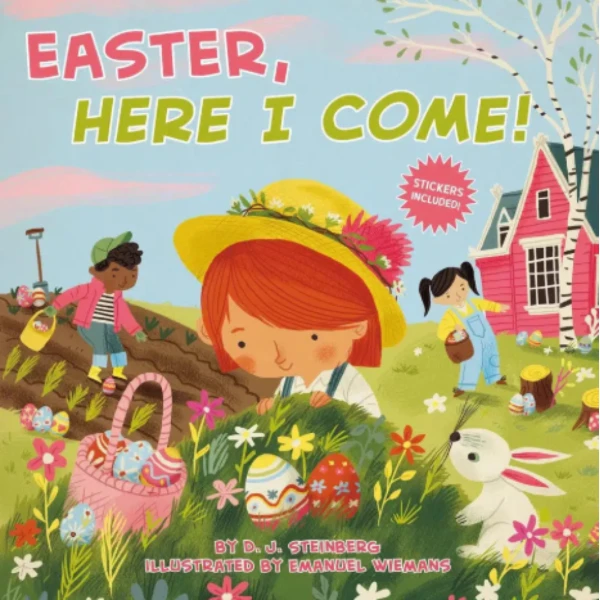
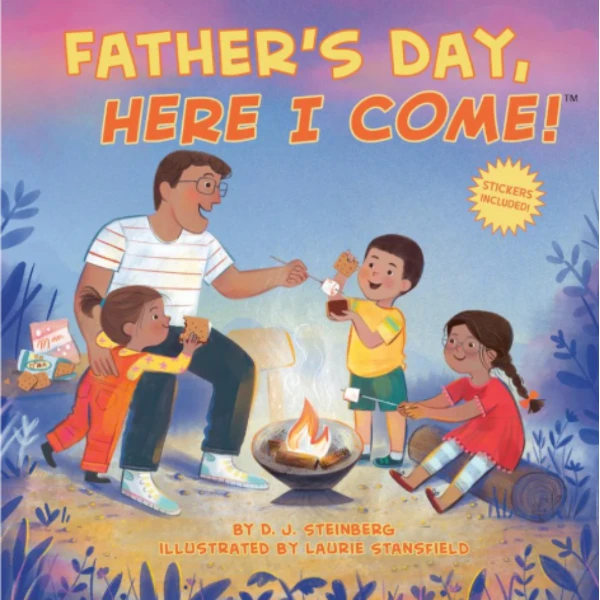
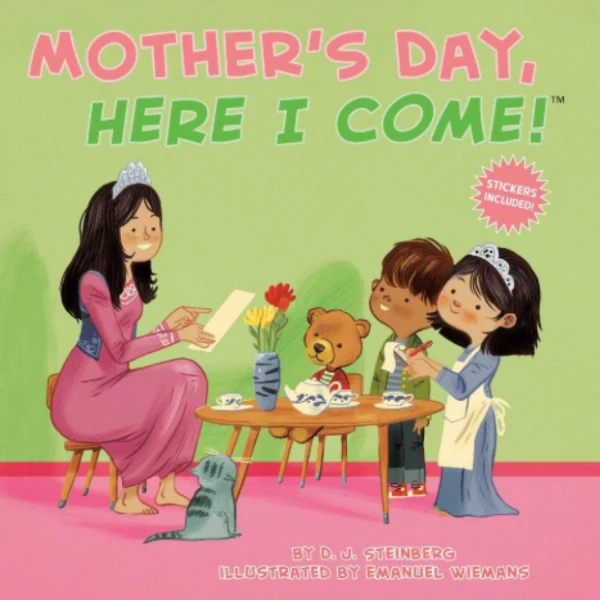
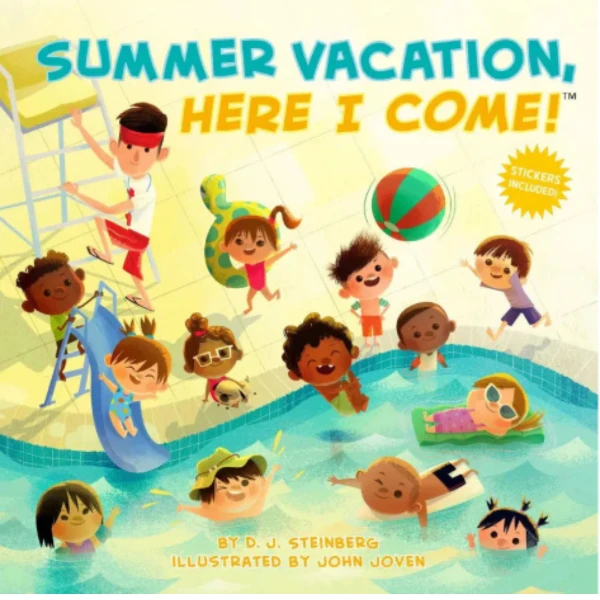
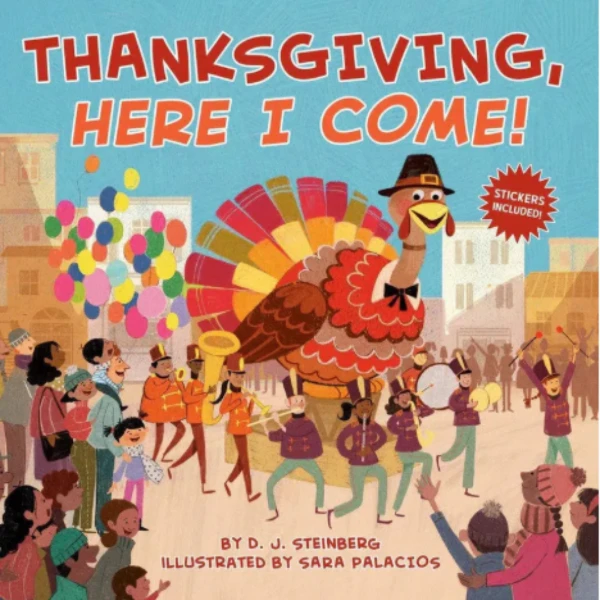
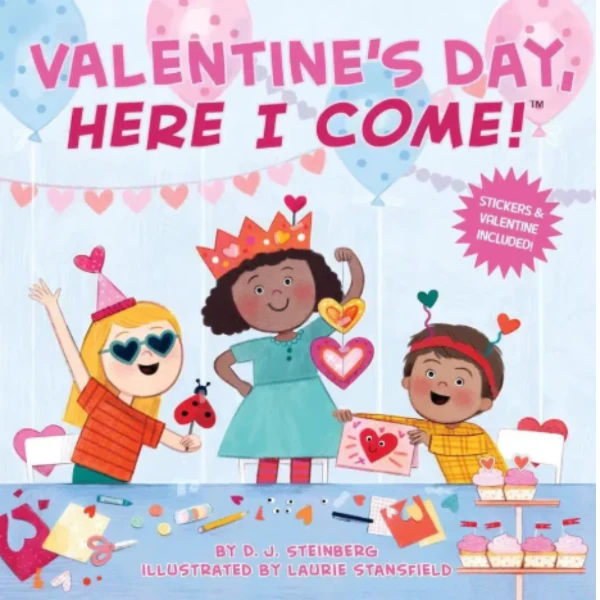
| Book Series / Book Name | Here I Come Series Happy Birthday, Here I Come Christmas, Here I Come Father’s Day, Here I Come Mother’s Day, Here I Come Easter, Here I Come Summer Vacation, Here I Come Thanksgiving, Here I Come Valentine’s Day, Here I Come |
| Author name | D.J. Steinberg |
| Illustrator name | Laurie Stansfield Emanuel Wiemans John Joven Sara Palacios |
| Recommended age | 4 – 6 years |
Pets
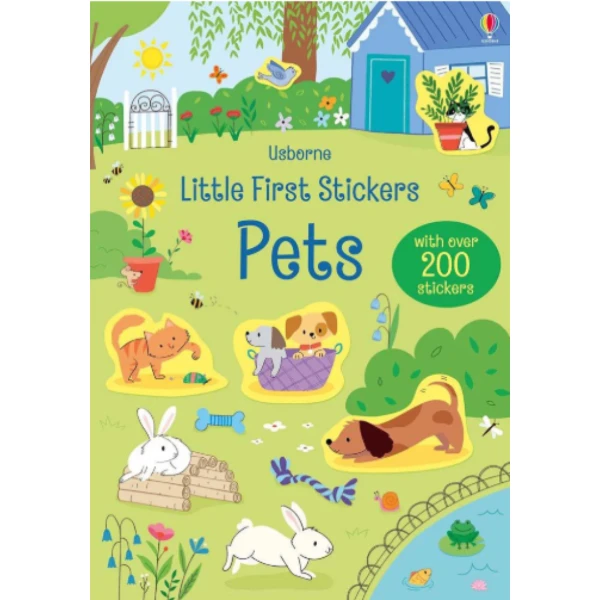
| Book Name | Little First Sticker Pets |
| Author name | Hannah Watson |
| Illustrator name | Malu Lenzi |
| Recommended age | 3 – 5 years |
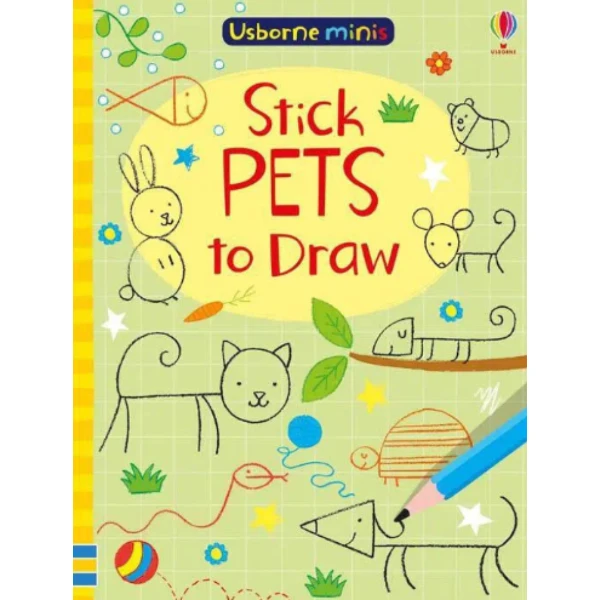
| Book Name | Stick Pets to Draw |
| Author name | Sam Smith |
| Illustrator name | – |
| Recommended age | – |
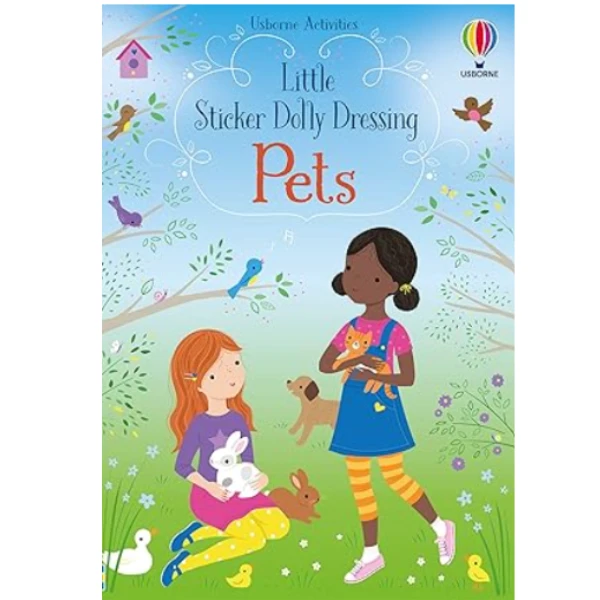
| Book Name | Little Sticker Dolly Dressing Pets |
| Author name | Fiona Watt |
| Illustrator name | Lizzie Mackay |
| Recommended age | 5 – 8 years |
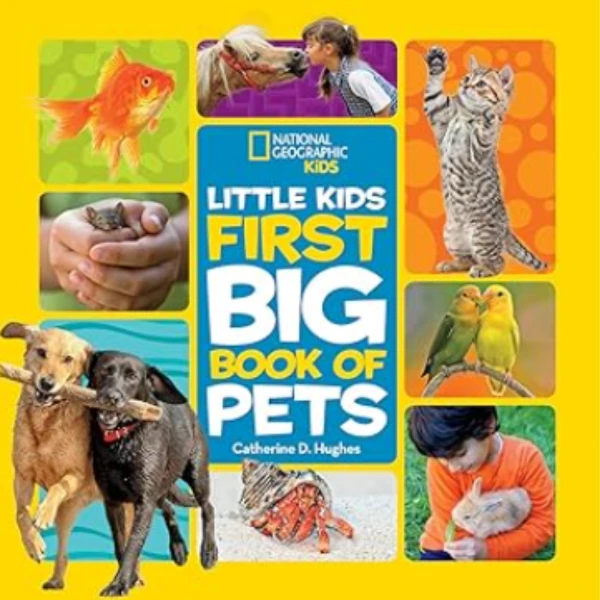
| Book Name | Little Kids First Big Book of Pets |
| Author name | Catherine D. Hughes / National Geographic Kids |
| Illustrator name | – |
| Recommended age | 3 – 7 years |
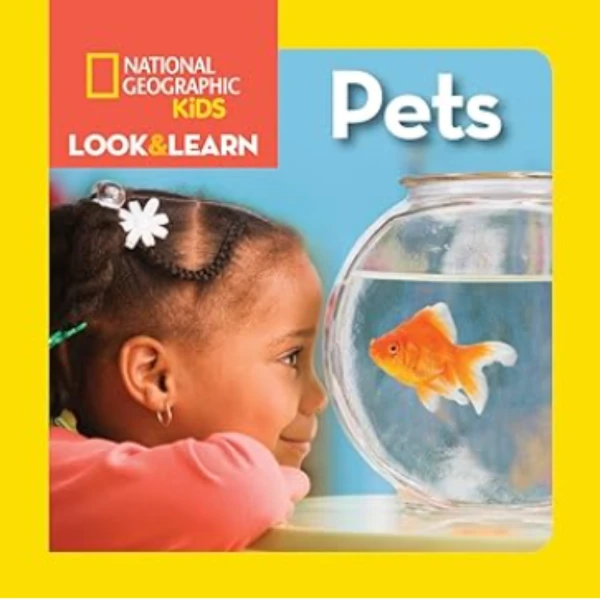
| Book Name | Look and Learn Pets |
| Author name | National Geographic Kids |
| Illustrator name | – |
| Recommended age | 3 – 5 years |
Category 2: Awareness of Self
As far as the self-awareness of teens is concerned, there are several strategies that are required for them to remember. Those are important in their lives’ personal development: desires, beliefs, vision, mission, breakthrough and innovation.
Learning value:
Simply speaking, “mission” implies what teens are going to do from now on and in their future. “Vision” implies what teens are going to see from now on and in their future. “Beliefs” implies what teens are going to believe from now on and in their future. Finally, “desires” implies what teens are going to acquire from now on and in their future.
Breakthrough and innovation imply that teens are required to have the ability handle difficulties. It is because the world changes frequently and aligns with technology and human desires. Embrace curiosity and new ideas by seeking all possibilities to avoid losing chance on the path of success.
Desires are mental states. It represents how and what teens want and wish to acquire from now on and in the future. It can be anything, such as celebrating a birthday with other teens or gift-giving, such as donating books and toys; helping other teens with their homework. helping Mum do housework; chatting with Mum, Dad, Grandma, or Grandpa about their school adventure; or participating in volunteering.
Throughout the desires seeking process, teens can learn decision-making, enjoyment, satisfaction, and fulfillment.
Most importantly, teens can learn to tap their desires for unlimited creativity and curiosity.
Believe in yourself.
Wherever you go, whatever you do is important not only for adults but also for teens. In addition to developing mission, innovation, vision, it is also required for teens to develop self-belief.
Self-belief can help teens to embrace self-acceptance and the self-worth of an individual preference. They recognize that everyone must have their own talent. Teens can learn to build up self-confidence even when there is nobody who places value and acceptance on them.
Therefore, self-belief helps teens to follow their inner strength in all their ways and they ultimately accomplish the tasks without changing their ambitions.
Vision is a long-term picture that teens are going to see from now on and in the future. It integrates with the mission teens are going to carry out, the beliefs teens are going to hold, and the desires teens are going to achieve. Simply speaking, vision is the ultimate result of what they do.
No matter how old you are, everyone must have a mission in life. Mission means goals to achieve and things that teens are going to do now on and in the future.
No matter how small the mission statements of teens have, through developing mission statements, they can learn how to set goals and the purpose of achieving them. Having a mission in life helps teens focus on and empower the ability to complete and achieve their tasks.
We can now prioritize mission, vision, beliefs and desires for teens development strategies:
- Desires help teens sustain energy and enthusiasm.
- Beliefs help teens stay persistent.
- Vision cultivates teens’ long-term sense of direction and ambition.
- Mission motivates teens for what they plan to do.
Teens need to prepare and accept failure and difficulties. Therefore, teens need to overcome obstacles and can seek different possibilities. During the breakthrough, teens can learn to take notice of what’s going wrong during the process, try alternatives, and make appropriate changes.
Breakthrough are an important skill. No one is free of trouble in life. Without breakthrough, all the mission that the teens have established will stand still and be unable to make any progress.
What does innovation means?
Innovation means creating and applying new ideas that are different from the former ones. The ideas can be beneficial for anything, ultimately making them more functional, effective, and efficient in the future.
Through pursing innovation and seeking process, teens can learn the following:
- Embrace all possibilities
- Asking questions
- Facing challenges
- Be brave and smart and keep a bit of playfulness in everything
Benefits for teens:
Self-awareness refers to what teens want and how they can act when they are facing choices or difficulties. Therefore, for teens to react appropriately, they need a clear understanding of their emotional characteristics and the ability to judge right from wrong, as well as clear cognitive and logical thinking abilities.
The development of self-awareness does not involve right or wrong answers. Everyone has their own talent, needs, love, and dislikes. As parents, they need to encourage teens to express their opinions and guide them to make confident and independent decisions.
During the self-awareness learning process, teens notice that to achieve success, they must experience failure first. Moreover, they also need to spend time, spirit, and hard work. Most importantly, the trail-and-error process enhances teens’ courage to try different possibilities with innovative ideas. They are not afraid of facing difficulties, as each failure is a reminder of alternative paths to success. As a result, they can develop challenging skills and cope with any difficulties in their life development.
Reading self-awareness books beneficial teens in the following aspects:
Chasing dreams – Teens can learn that all of us must chase dreams. Dreams are the starting point before all the possibilities come true.
Be curiosity – Maintain a curiosity for “may be” and why not” to discover tiny things in life.
Be courage to persist – Teens can learn courage and perseverance and keep noticing and trying out various possibilities and ideas that arise in their minds without fearing failure, as they never know which possibilities and ideas are the right path to success. Most importantly, don’t let any chance go away.
The more teens are self-aware, the better they can understand themselves deeply, unleash their potential talents, embrace self-strength and accept weakness, and clearly recognize what their personal boundaries are.
Book Recommendation
Awareness of Self – Desires
Awareness of Self – Beliefs
Awareness of Self – Vision

Awareness of Self – Mission
Awareness of Self – Breakthrough
Awareness of Self – Innovation
Content Consideration
Desires
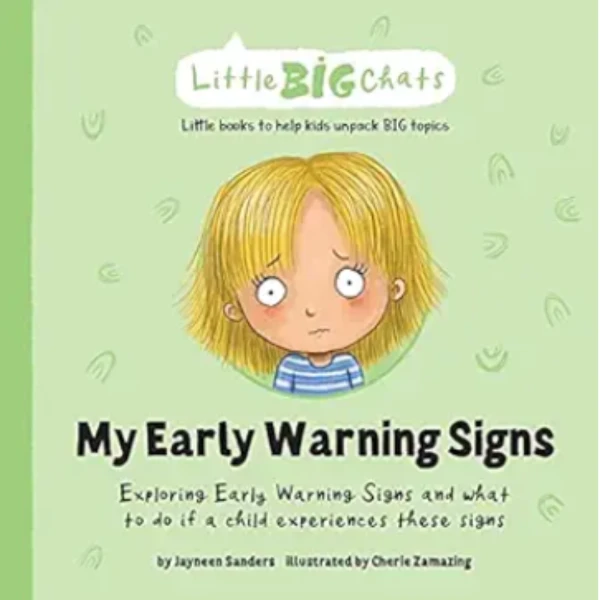
| Book Name | My Early Warning Sigs |
| Author name | Jayneen Sanders |
| Illustrator name | Cherie Zamazing |
| Recommended age | 2 – 6 years |
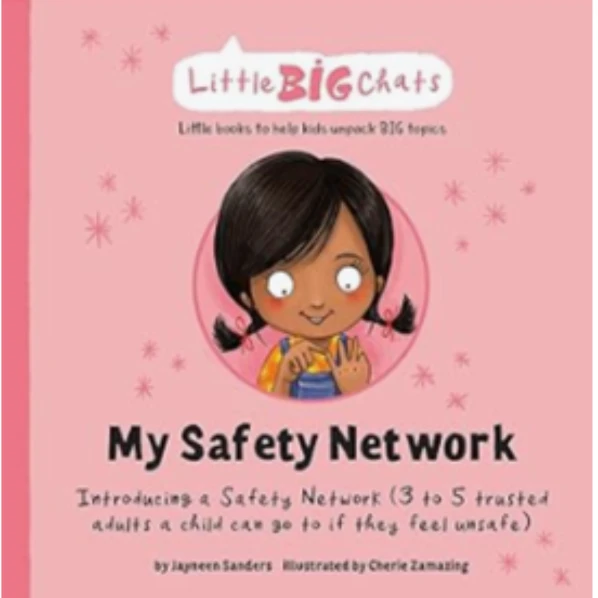
| Book Name | My Safety Network |
| Author name | Jayneen Sanders |
| Illustrator name | Cherie Zamazing |
| Recommended age | 2 – 6 years |
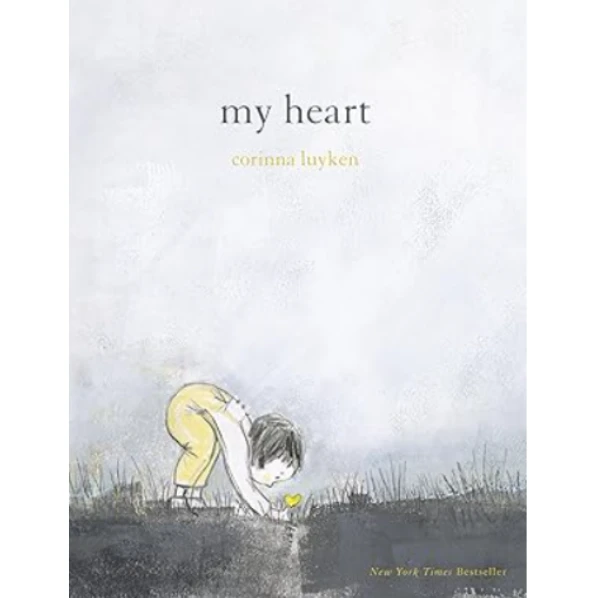
| Book Name | My Heart |
| Author name | Corinna Luyken |
| Illustrator name | – |
| Recommended age | 2 – 11 years |
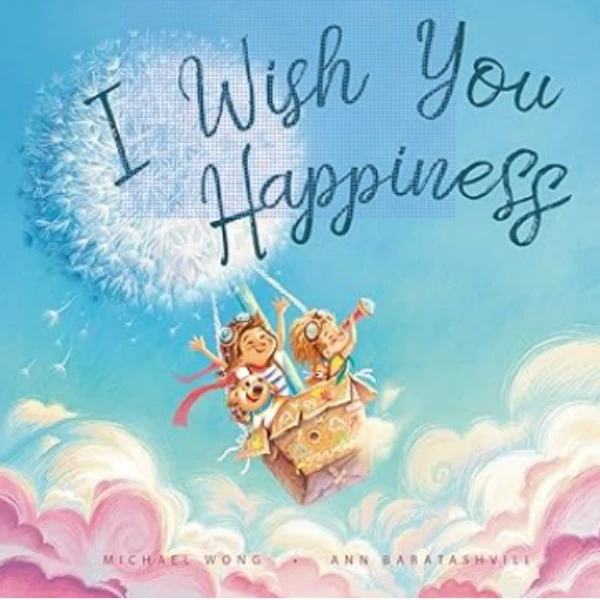
| Book Name | I Wish You Happiness |
| Author name | Micheal Wong |
| Illustrator name | Ann Baratashvili / David Miles (Technical Editor) |
| Recommended age | Baby – 6 years |
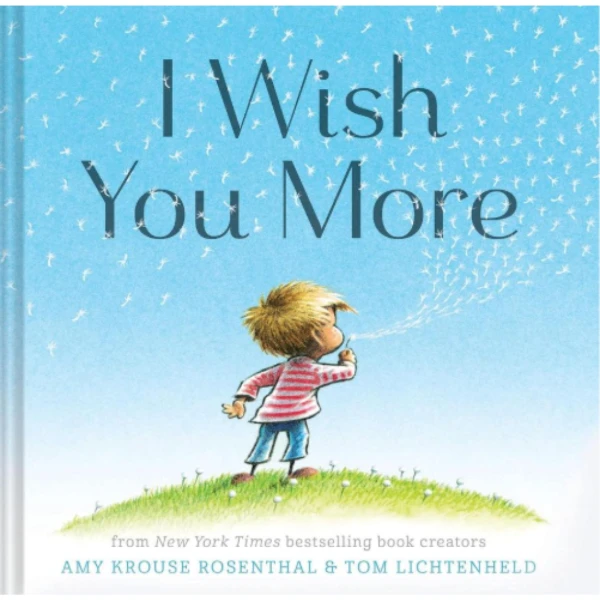
| Book Name | I Wish You More |
| Author name | Army Krouse Rosental |
| Illustrator name | Tom Lichtenheld |
| Recommended age | 2 + years or above |
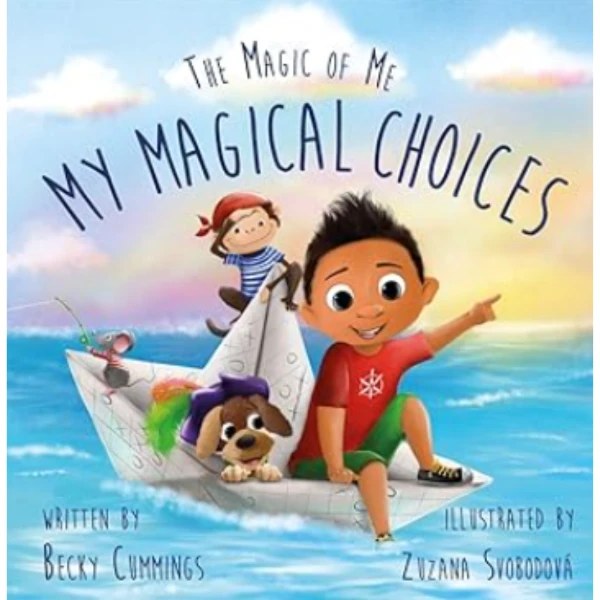
| Book Name | The Magic of My Magic Choice |
| Author name | Becky Cummings |
| Illustrator name | Zuzana Svobodova |
| Recommended age | 3 – 6 years |
Beliefs
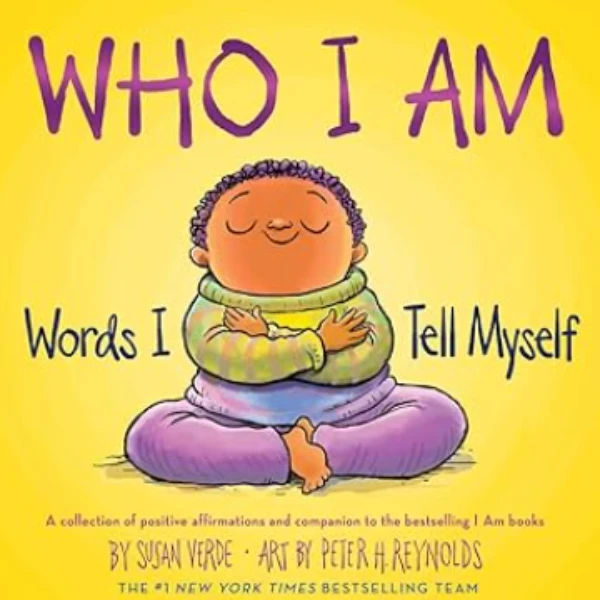
| Book Name | Who I Am Words I Tell Myself |
| Author name | Susan Verde |
| Illustrator name | Peter H. Reynodls |
| Recommended age | 4 – 8 years |
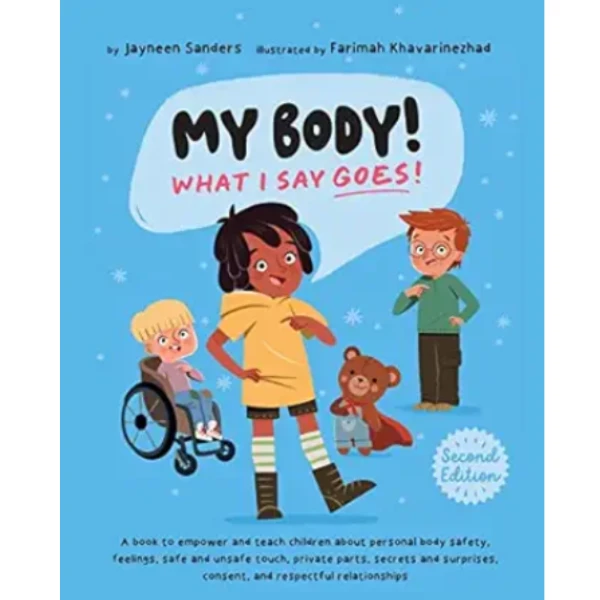
| Book Name | My Body What I Say Goes |
| Author name | Jayneen Sanders |
| Illustrator name | Farimah Khavarinezhad |
| Recommended age | 3 – 10 years |
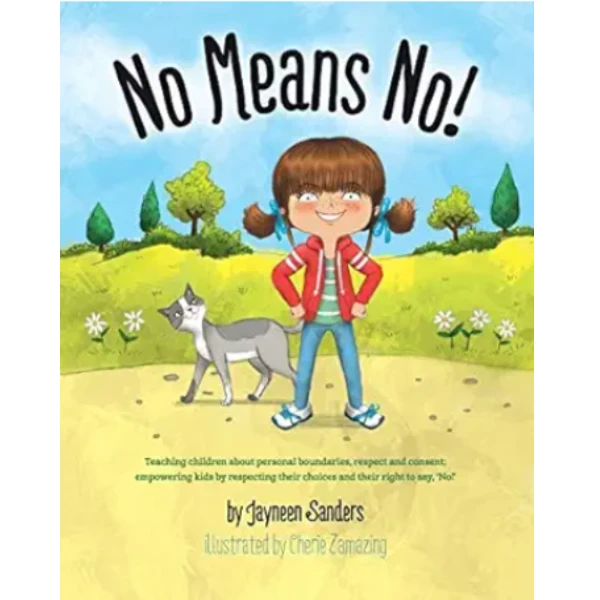
| Book Name | No Means No |
| Author name | Jayneen Sanders |
| Illustrator name | Cherie Zamazing |
| Recommended age | 2 – 5 years |
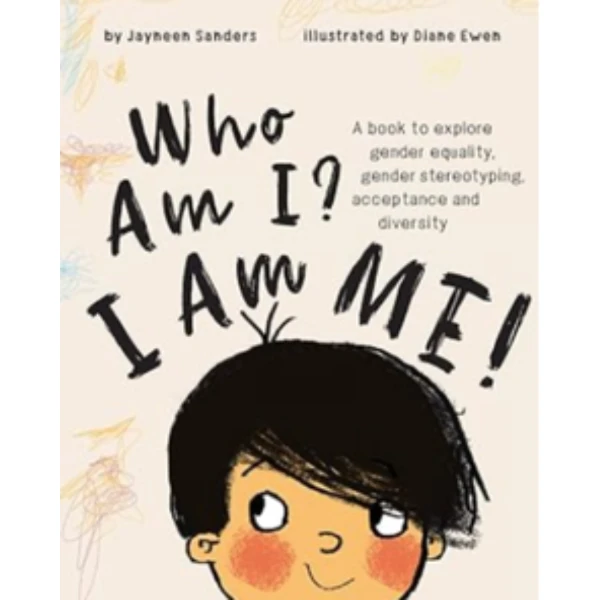
| Book Name | Who Am I I Am Me |
| Author name | Jayneen Sanders |
| Illustrator name | Diane Ewen |
| Recommended age | 3 – 9 years |
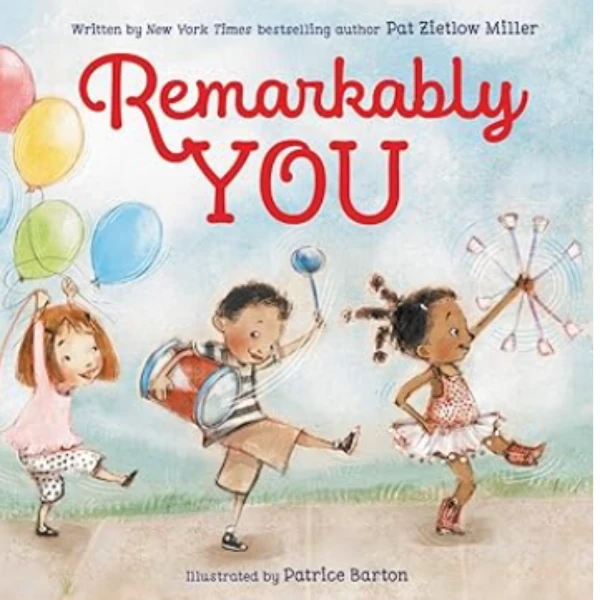
| Book Name | Remarkably You |
| Author name | Pat Zietlow Miller |
| Illustrator name | Patrice Barton |
| Recommended age | 4 – 8 years |
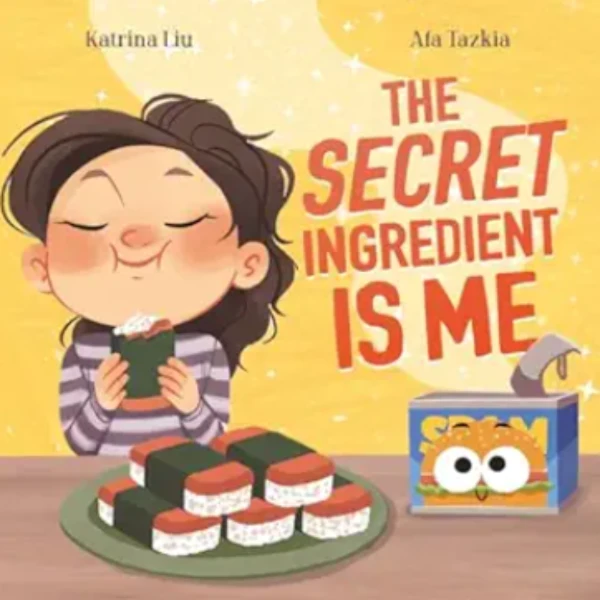
| Book Name | The Secret Ingredient is Me |
| Author name | Katrina Liu |
| Illustrator name | Afa Tazkia |
| Recommended age | 3 – 8 years |
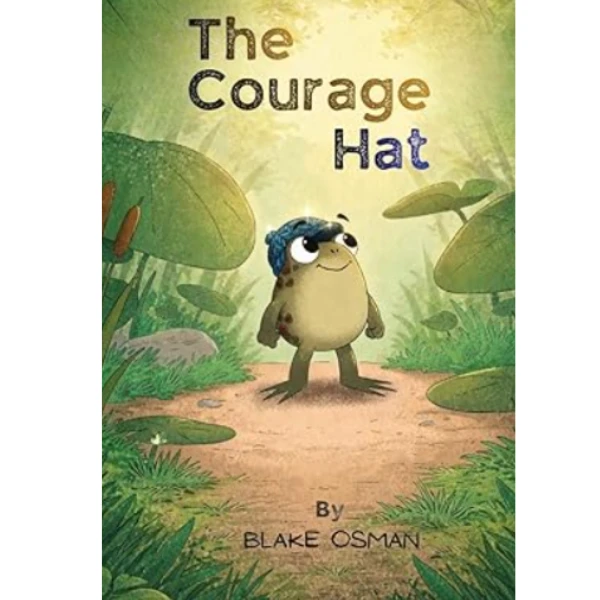
| Book Name | The Courage Hat |
| Author name | Blake Osman |
| Illustrator name | – |
| Recommended age | Baby – 7 years |
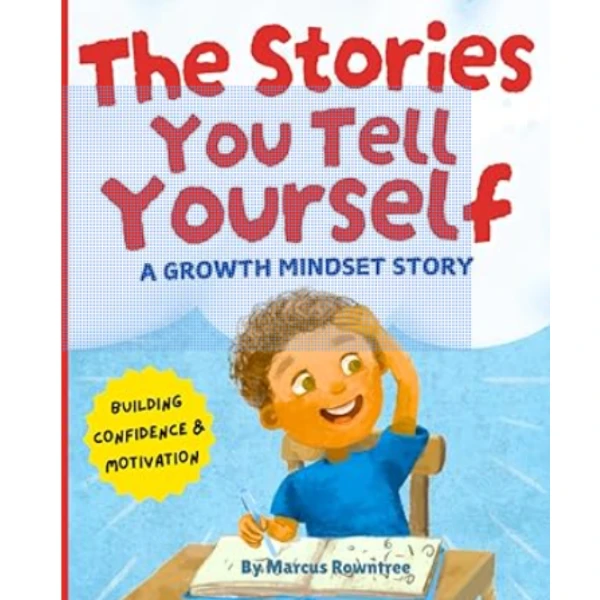
| Book Name | The Stories You Tell Yourself |
| Author name | Marcus Rowtree |
| Illustrator name | Uliana Barabash |
| Recommended age | 5 – 7 years |
| Book Name | Finding Muchness |
| Author name | Koboi Yamada |
| Illustrator name | Charles Santoso |
| Recommended age | – |
Vision
| Book Name | Chasing Dreams |
| Author name | Koboi Yamada |
| Illustrator name | Charles Santoso |
| Recommended age | – |
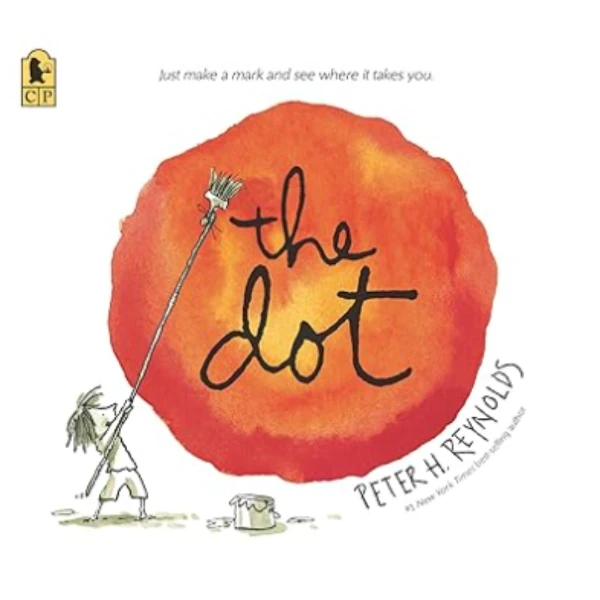
| Book Name | The Dot |
| Author name | Peter H. Reynolods |
| Illustrator name | Peter H. Reynolods |
| Recommended age | 4 + years |
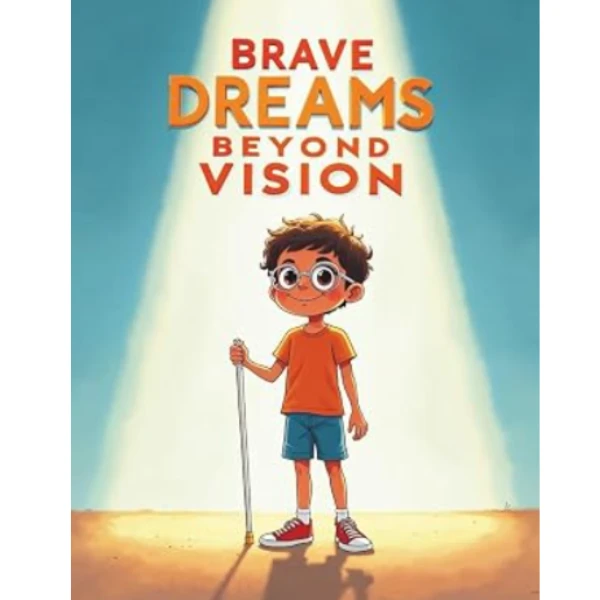
| Book Name | Brave Dreams Beyond Vision |
| Author name | Bloum Maike |
| Illustrator name | – |
| Recommended age | 8 – 12 Years |
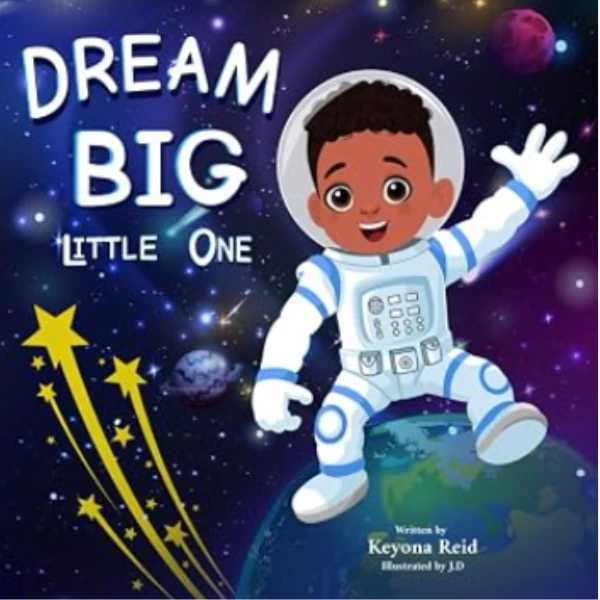
| Book Name | Big Dream Little One |
| Author name | Keyona Feid |
| Illustrator name | – |
| Recommended age | 3 – 8 years |
| Book Name | On, The Places You’ll Go |
| Author name | – |
| Illustrator name | – |
| Recommended age | 3 + years |
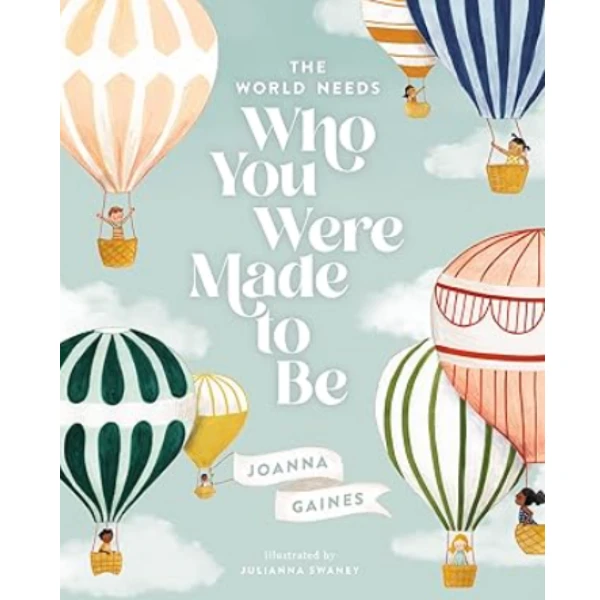
| Book Name | Who You Were Made To Be |
| Author name | Joanna Gaines |
| Illustrator name | Julianna Swaney |
| Recommended age | 1 – 7 years |
Mission
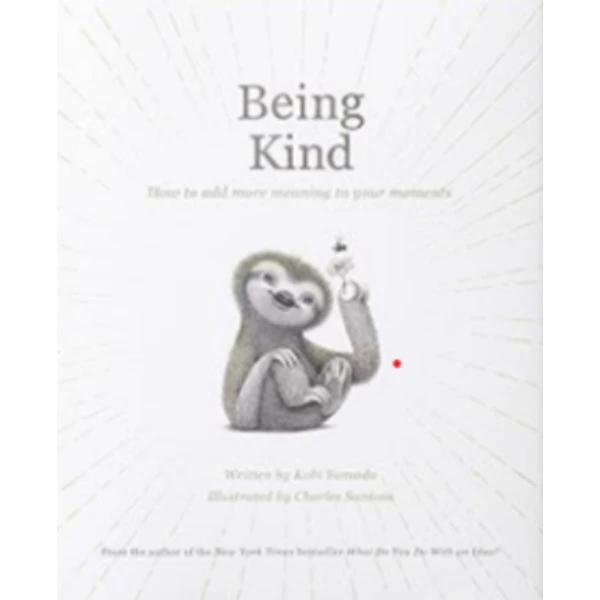
| Book Name | Being Kind |
| Author name | Kobi Yamada |
| Illustrator name | Charles Santoso |
| Recommended age | – |
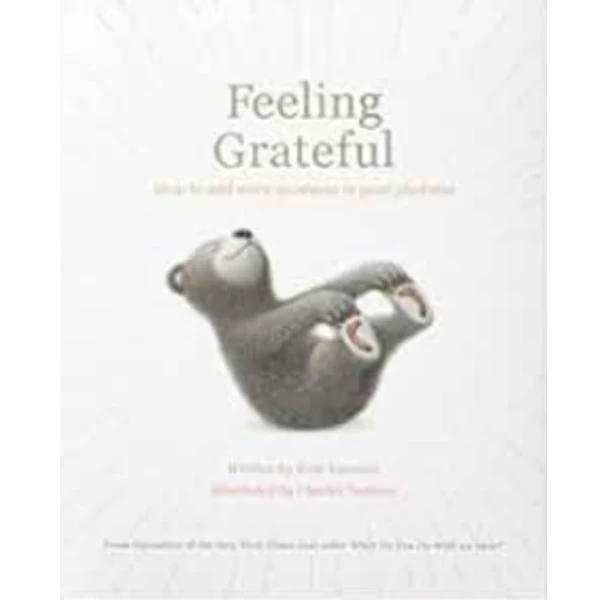
| Book Name | Feeling Grateful |
| Author name | Kobi Yamada |
| Illustrator name | Charles Santoso |
| Recommended age | 8 + years |
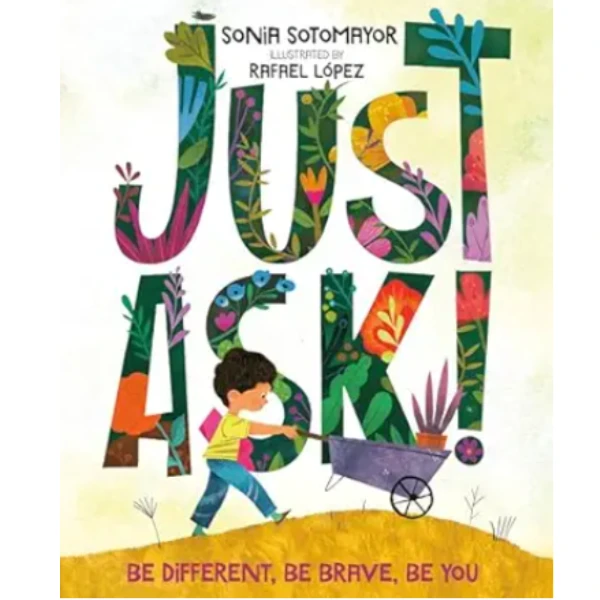
| Book Name | Just Ask |
| Author name | Sonia Sotomayor |
| Illustrator name | Rafael Lopez |
| Recommended age | 4 – 7 years |
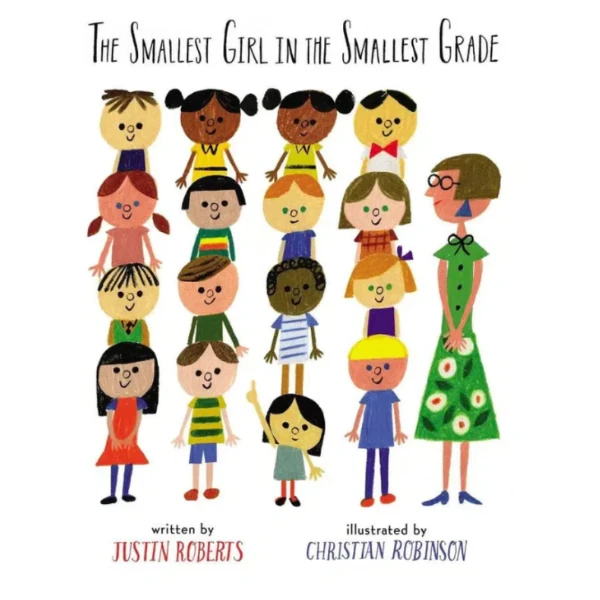
| Book Name | The Smallest Girl in the Smallest Grade |
| Author name | Justin Roberts |
| Illustrator name | Christian Robinson |
| Recommended age | 3 – 6 years |
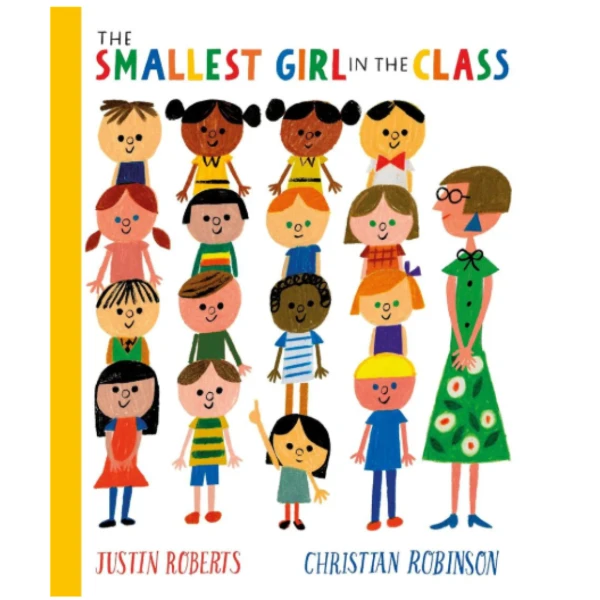
| Book Name | The Smallest Girl in the Class |
| Author name | Justin Roberts |
| Illustrator name | – |
| Recommended age | 3 – 6 years |
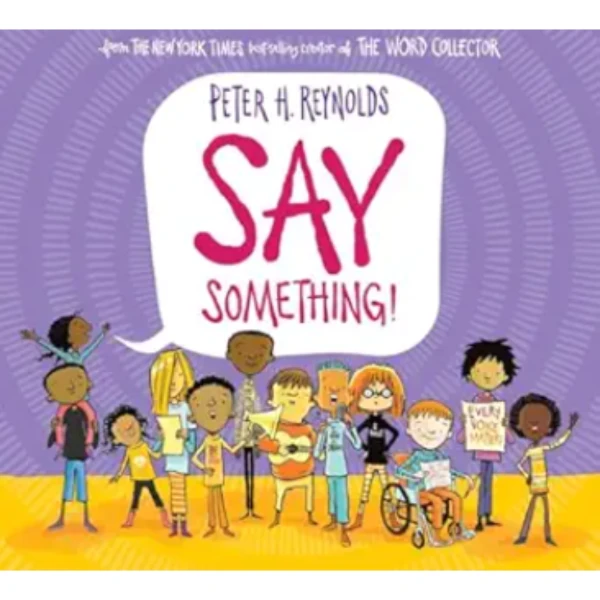
| Book Name | Say Something |
| Author name | Peter H. Reynolds |
| Illustrator name | Peter H. Reynolds |
| Recommended age | 3 – 7 years |
Breakthrough
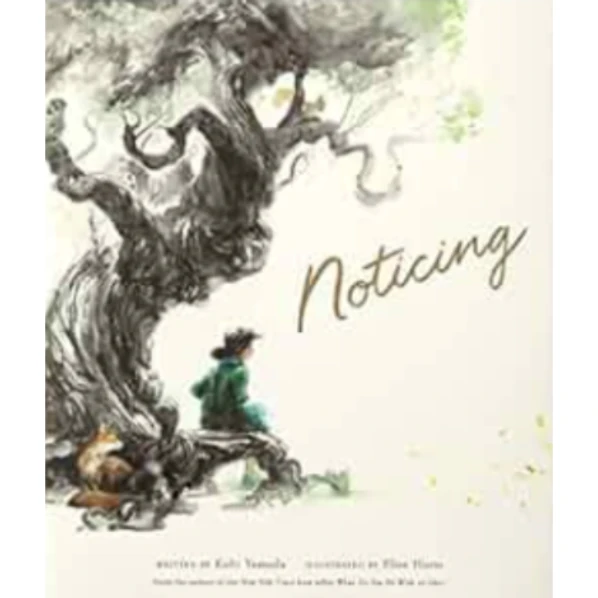
| Book Name | Noticing |
| Author name | Kobi Yamada |
| Illustrator name | Elise Hurst |
| Recommended age | 5 + years |
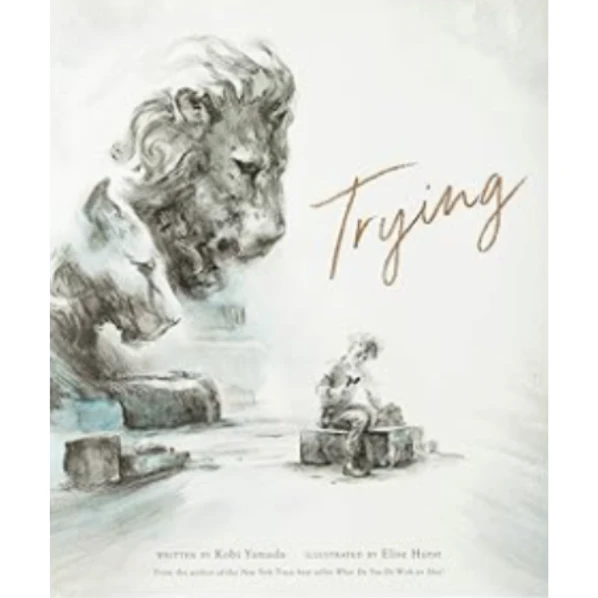
| Book Name | Trying |
| Author name | Kobi Yamada |
| Illustrator name | Elise Hurst |
| Recommended age | – |
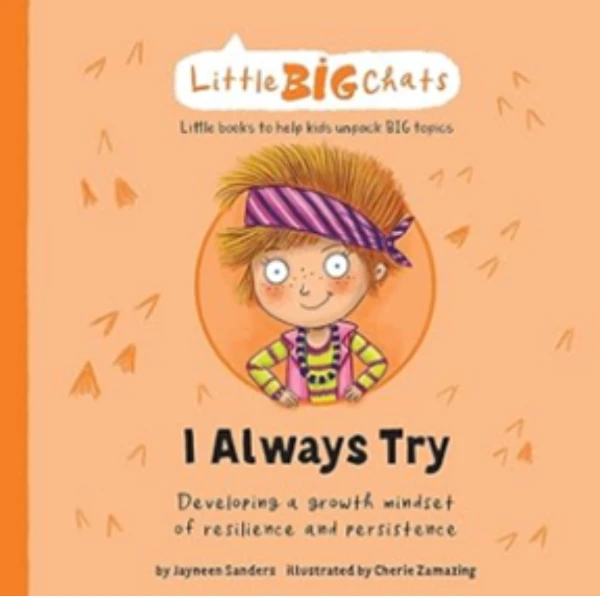
| Book Name | I Always Try |
| Author name | Jayneen Sanders |
| Illustrator name | Cherie Zamazing |
| Recommended age | 2 – 6 years |
Innovation
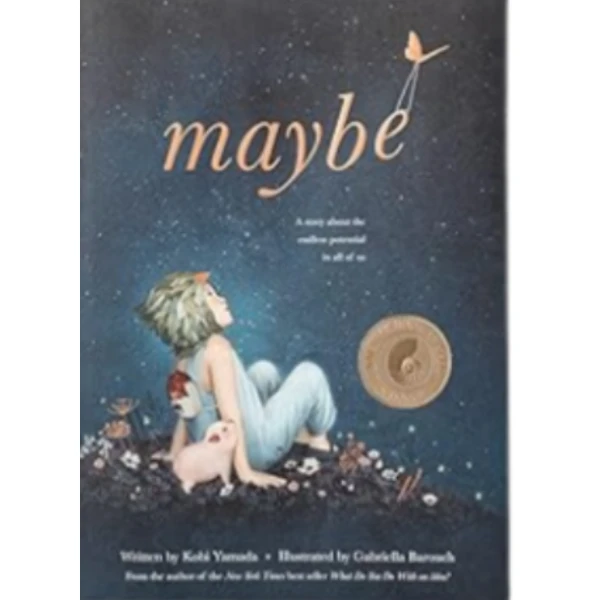
| Book Name | Maybe |
| Author name | Kobi Yamada |
| Illustrator name | Gabrielle Barouch |
| Recommended age | 3 + years |
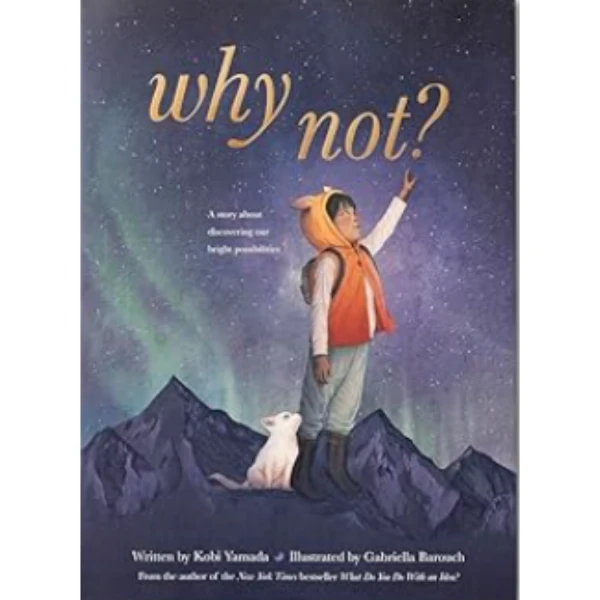
| Book Name | Why Not |
| Author name | Kobi Yamada |
| Illustrator name | Gabrielle Barouch |
| Recommended age | 2 + years |
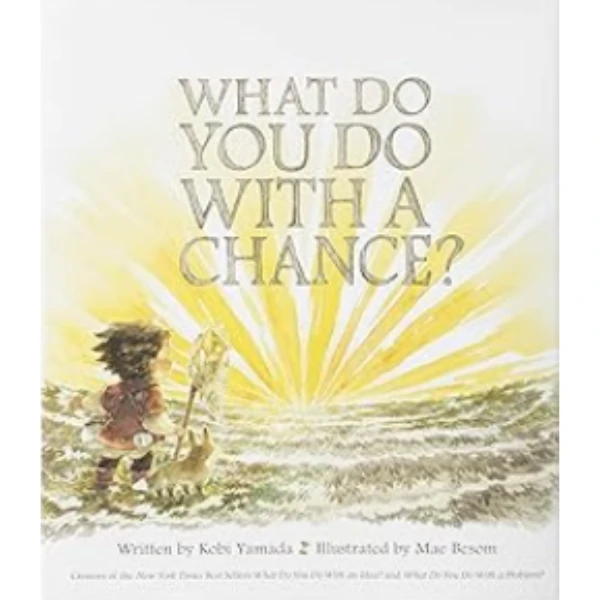
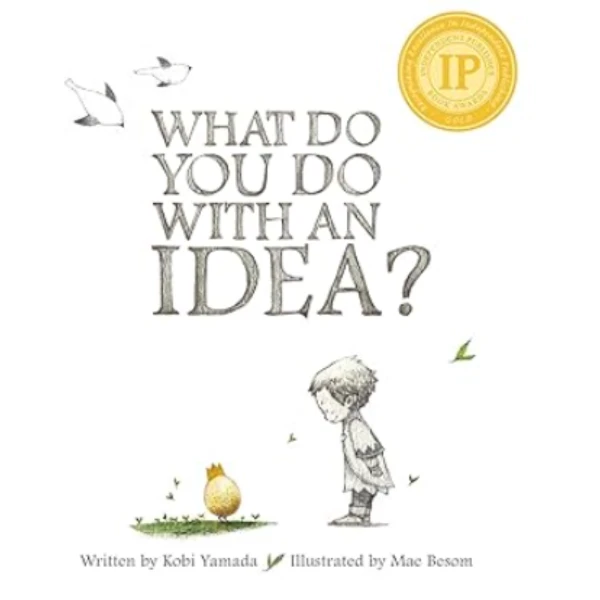
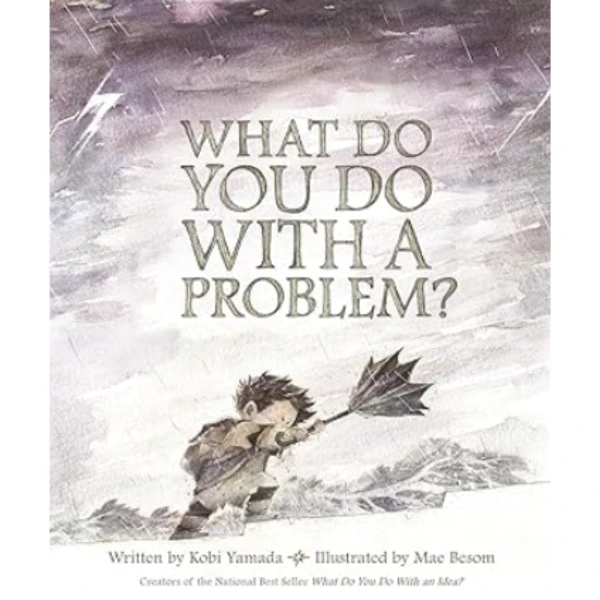
| Book Name | What Do You Do Series What Do You Do With a Chance What Do You Do With a Problem What Do You Do With An Idea |
| Author name | Kobi Yamada |
| Illustrator name | Mae Besom |
| Recommended age | 2 – 8 years |
Conclusion
By reading books about self-awareness, teens can understand their desires, beliefs, vision, mission, breakthrough, and innovation.
- Desire is about what teens want to achieve from now on and in the future.
Belief is about teens believe now and in the future. - Vision is about what teens want to see from now on and in the future.
- Mission is about what teens want to do from now on and in the future.
- Breakthrough help teens nurture the capability to cope with the problems without fear of failure.
- Innovation is empowering teens by cultivating new ideas for improvement, whether it is large or small.
By reading books about self-awareness can be beneficial for teens in the following ways:
- Teens can learn to persist and be curious and eager to chase dreams.
- Teens can understand that everyone must have their own dreams, which motivates them to go forward.
- When teens are chasing their dreams, they may frequently ask why, how, what, when and where to satisfy their interests in all the things that they do not know at the current moment.
- In the meantime, they must face difficulties. Facing difficulties helps teens stay persistent and gives them the courage to go forward.
By reading books about awareness of the self-relationship, they can learn:
- By reading self-relationship books, teens can understand their relationship with people and things: the value of life, love, parents and teachers, families, seasons, festivals, pets and the environment.
- By reading books about the value of life, teens will understand that life is precious. Although life is short and our beloved will eventually leave us, the memories will linger with us, like a star in the sky glistering along the path of our lives.
- By reading books about love, teens can nurture with kindness regardless of their age, gender, body limitations, nationality, education, or religious beliefs.
- By reading books about parents and teachers, teens can understand relationships with mentors and friends. They are lighthouse guiding teens toward the right direction, whether they stepped out of school or grew into adulthood.
- By reading books about families, teens can understand their families’ members and the relationships between them. Most importantly, it is for teens to understand they are beloved regardless of what hardness they are facing.
- By reading books about the seasons, teens can understand that each seasons has its own characteristics. These differences affect what activities human can do, what farmers can farm, what foods humans can eat, and what flowers will be bloom.
- By reading books about festivals, teens can understand that the unique characteristics of each festival and the significance for human. For instance, Thanksgiving Day and Christmas are in winter, New Year’s and Valentine’s Day are in spring, and Father’s Day and Mother’s Day are in summer.
- By reading books about pets, teens can understand each pets have its own living requirements, behaviour and characteristics. If teens are interested in having a pet, teens need to know whether their family can provide a suitable living environment for them.
- By reading books about the environment, teens can understand the importance of environmental protection is to ensure resources can be effectively utilized from generation to generation.
By reading books about awareness of self-relationship, it can help teens share happiness, enhance social cohesion, develop a cherished mindset, appreciate all the issues, and be grateful for what they own at the current moment.
- Teens can feel happy through the sharing process, regardless of whether the things they share are big or small.
- Helpfulness means that teens can help people regardless of their age or wealth. Teens can learn how and what they can to help others in need, whether they are at school or at home.
- Teens can develop cherished mindset about the importance of preserving the precious items that they own at the current moment
- Teens will express thanks and admiration for those of them who have done better than them as they learn to accept weakness from their friends and classmates who are not their strength.
- Teens can cultivate and maintain a strong relationship with other people, such as friends, parents, and teachers, as they develop a thankful attitude towards those have helped them, for instance, having happy moments with friends, growing up with the support of parents, or learning knowledge from teachers.
- Sharing activities can help teens to develop love, generosity, and empathy regardless of people identities. Teens can understand happiness not because of materialism but by giving out what we have.
Frequently Asked Questions
For teens reading books about awareness, there are two types: one is awareness of relationships, and the second is awareness of self.
There are nine categories for books about awareness of relationships: value of life, love, families, parents and teachers, friends, seasons, festivals, pets, and environment.
For the awareness of self, we can classify it into six categories: desires, beliefs, vision, mission, breakthrough, and innovation.
Top Book Recommendation Teens to Read
Benefits of Sustaining a Long-life Reading Habit