
Ways to Stop Bullying: Empowering Teens Today [Youth & Adolescents]

Ways to stop bullying is a sustainable strategy. Do you want your teenager to become a victim of bullying, which could cause them lasting harm? Bullying affects millions of teens every year, and many parents and teachers struggle to find effective ways to stop it. This guide explains practical, proven strategies to protect teens, prevent bullying at school and online, and create a culture of kindness.
Therefore, we must take immediate action to stop bullying and encourage young people to develop a kind character. Please take the time to read this article, you will achieve all you want to know for your bullied kids. This guide explains ways to stop bullying and create a safer environment for teens.
Table of Content
- 6 Practical Ways to Stop Bullying
- Effects of Bullying on Teen Mental Health
- Recognizing Bullying Early
- What is Bullying and Why It Happens
- Famous People Quote on Stop Bullying
- Conclusion
- Frequently Asked Questions About Bullying
6 Practical Strategies for Parents and Teachers to Stop Bullying
If you’re dealing with bullying right now:
Here are the strategies for parents and teachers to stop bullying
Bullying is a complex social phenomenon. Bullying behavior may initially stem from childhood disputes over toys and may develop into arguments or fights with others during adolescence. Therefore, if bullying is discovered in childhood, it must be stopped immediately to prevent it from escalating into a more serious and difficult to manage situation. Besides potentially stemming from the formation of bad personal habits, an individual’s experiences, social environment, and personality are also important factors contributing to bullying behavior.
The most effective way to eliminate bullying is to build a better self, avoid becoming a bully, and prevent all bullying behavior from escalating. By cultivating and promoting a kind mindset and aiming for the lifelong personal growth of young people, we can help them live in an environment full of warmth and love, which is crucial for their lifelong development.
Now, I figure out seven methods to stop teens’ bullying behaviour and nurture teens to become kind people.
- Teach Teens Assertive Communication
- Build Kindness and Empathy Culture
- Strengthen Peer Support Networks
- Teach Digital Safety and Cyberbullying Rules (Effective Use of Social Media)
- Encourage Reporting and Safe Disclosure
- Improve School Anit-Bullying Policies
1 Tech Teens Assertive Communication
Stop bullying is important to nurture teens to develop their own concrete mission, vision, beliefs and desires and lead these strategies along with your career development and lifelong habits.
- The word “mission” means what you want to do from now on and in the future.
- The word “vision” means what you want to see from now on and in the future.
- The word “belief” means what you want to believe from now on and in the future.
- The word “desires” means what you want to get from now on and in the future.
2 Build Kindness and Empathy Culture
First of all, all we need to be cultivating with good habits, on the other hand, it is important to resolutely give up bad habits. Many people believe that bad habits, such as smoking, drinking, and gambling, are difficult to abandon because our brain’s reward mechanism is at work.
Therefore, through how teachers can stop bullying in school and how parents can help bullied children as series of long-term effective and efficient strategy to develop an anti-bullying culture. The following are some ways that we can do for the teens to build kindness and an empathy culture:
- Join groups that match your interests. Being with people who share the same interests will guide you to achieve your own mission, vision, beliefs, and desires.
- Disconnect from all unnecessary groups in social media. Collaborating with people whose culture differs from yours can easily overwhelm you; do not waste time on things you are not interested in.
- You don’t need to cater to people who don’t agree with your intentions, nor do you need to respond to their criticism, because every response drains your energy, your enthusiasm cools, and ultimately leaves you exhausted. Focus on your mission, vision, beliefs, and desires.
Note:
Teaching kindness-based school culture is essential in preventing bullying. Even simple traditions – like those described in celebrating a meaningful Christmas – can strength compassion and family values.
Cultivating with good behaviour and nurture along with lifelong habits
Bullying is a human performing unwanted, unnecessary, and bad behaviour. People do bad things from bad persons. It is proven that having good behaviour is important to help us stay away from bullying.
Advocating and nurturing kindness is a sustainable issue. The process of cultivating and insisting on our behaviour to habits requires four individual steps: cue, craving, response and reward. The process to form a habit may encounter failure, obstruction, discouragement, despair and abandonment. After we establish a habit, our brain builds up a permanent reward mechanism to function automatically and unconsciously after we accomplish a habit from behaviour. We find the stuff that we are doing without any delay or feeling overwhelmed. Time to complete is faster.
Establishing a good money philosophy
- I do not believe in different types of investment methods. I only believe that wealth comes from hard work.
- Establish an effective financial baseline strategy and implement a simple lifestyle strategy.
- Stay away from all fair-weather friends. They are good at verbal communication and will lead you into their cultural environment, making you become hedonistic.
The following are some mindsets that are important for you to keep in mind:
- You are not required to engage with and satisfy the desires of others who are not in line with your life path.
- You are not required to respond to everything, as the enthusiasm you are engaging with leads you to exhaustion.
- Concentrated on your own mission, vision, beliefs and desires.
Note:
One effective way to help teens developing empathy through meaningful reading. My post about embracing books as part of life highlights how stories help young people understand emotions and perspectives.
3 Strengthen Peer Support Networks
- Treat every failure and struggle as practice and experience, preparing for future success.
- Accept the occurrence of failure: Failure is normal for you. This is because you are in a stage of growth and may not yet have experience handling all sorts of challenges and difficulties. However, humans are supposed to have the ability to solve problems independently.
- A persistent mindset: Many people give up on plans when they don’t see obvious results, while others often continue to be motivated. Most importantly, we should stick to our original intentions and devote enough time and effort to achieve our goals. Dramatic results can only be seen if we persist for a long period of time before achieving initial progress or expected outcomes.
- Good sleeping routine: Go to bed and wake up early. Those practices could enhance not only the positive thinking mindset but also can cultivate consistency and persistency capability.
- Accept all of your weaknesses to gain confidence.
4 Teach Digital Safety and Cyberbullying Rules (Effective Use of Social Media)
- Clearly identify the working schedule of using the social media. After going home from school, mute all the working groups form social media, such as WhatsApps. Avoid cultivating with Instagram as your entertainment tools. Focusing your valuable time with families, sharing happiness or sadness adventures in schools or workspace.
- Effectively use the Danshari strategy (Refuse, Dispose, and Separate) to clear unnecessary items, such as all unnecessary personal belongings and information which have not been in use for a long time. Mute, QUIT, or delete all unnecessary groups in social media or telephone numbers.
5 Encourage Reporting and Safe Disclosure
Encouraging the strategy of saying ‘NO’ in any uncertain situation
Saying ‘no’ to someone can break communication and connection with a bully instead of saying ‘okay’
You should never agree to the bully’s demands without careful consideration. You also shouldn’t compromise just to accommodate them. So, there’s no need for you to feel awkward or apologize for saying no.
You should remember the following slogan:
Stop bullying, learn to say “NO!”. You don’t need to overthink!
Don’t feel embarrassed, because there’s nothing to be embarrassed about.
At school, report to the teachers, outside, report to the police
The “Say No” strategy includes:
- Say ‘No’ to all forms of bullying immediately.
- The only way to reduce their bullying power is to isolate them. You don’t need to feel any embarrassment.
- Remember: Stop the bullying. You don’t need to feel embarrassed when saying ‘No.’
- Do not talk to them or participate in any of their activities. Once you engage in their activities, you are boosting their reputation.
6 Improve School Anti-Bullying Policies
Every teenager must possess their own unique talents and qualities to develop their personality and to establish and fulfill their life’s mission, vision, needs, and desires. These strategies can also help in building one’s own values and culture to become a better version of oneself. When you develop your own values and culture, you will feel fulfilled, and everything you do will naturally fall into life path. The strategies include:
- Establish your own mission, vision, beliefs, and desires to become the guiding direction of your life.
- Cultivate good behaviors and turn them into habits.
- Find the work culture and learning or working environment that suit you best.
- Learn to assert your power by saying ‘no.’
- Maintain a mindset of positive thinking.
- Use social media effectively.
- Develop an effective philosophy of money.
- Believe in yourself. Don’t just follow what others are doing or saying, as they might be wrong.
- Stick to your decisions and resist the opinions of others.
- Don’t just copy other people’s strategies. Different strategies work differently for different people.
- Follow your own mission, vision, beliefs, and desires to achieve the goals you set for yourself.
Effects of Bullying on Teens
Verbal bullying

- Victims of verbal bullying may feel anxious, fearful, nervous, and hopeless, which not only affects their self-esteem but also their self-image.
- This kind of bullying can also weaken the victim’s concentration and decision-making and significantly impact victims’ school and daily life, such as losing confidence and motivation in learning, leading to a significant decrease in academic results.
- They intentionally isolate themselves from normal social interaction, fearing speaking up or expressing themselves clearly.
- Other health issues include headaches and stomachaches; changes in eating and sleeping are also often causing them to feel annoyed.
Physical bullying

Physical bullying victims face emotional, mental, and psychological changes.
- Concerning the external and internal injuries, such as getting hurt or bone cracks, they not only feel pain frequently but also develop emotional, psychological, and mental issues, as most of the victims refuse to report the bullies.
- Regarding the emotional issue, victims are easily emotinally frustrated, changing suddenly from happiness into anger, depression, and sadness, causing people to distance themselves from them. They also isolate themselves and avoid attending activities that they formerly loved. The lack of social interaction is causing them loss of confidence and motivation in life.
- Rerarding the mental issues, they lost trust with people and self-criticized for how unlucky they were in adventure. They are afraid of staying at certain places and meeting with certain people. That’s causing a significant decline in academic performance.
Cyberbullying
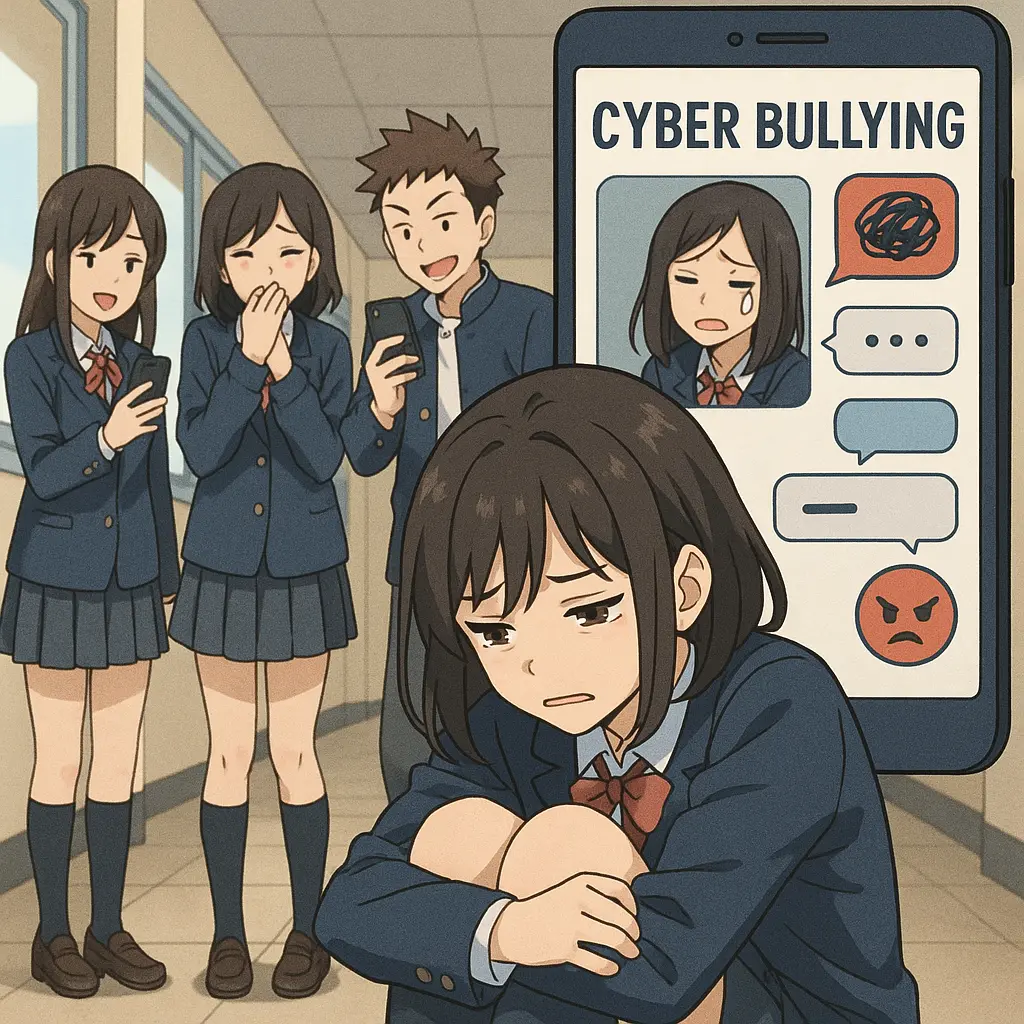
Cyberbullying victims face emotional, psychological, and mental changes:
- For the emotional side, cyberbullying causes teens to feel anxiety, fear and worry since they don’t know when the harassment will happen again, causing them their self-esteem becomes lower.
- For the psychological side, they feel shame and embarrassment as they feel they are being humiliated under the disclosure of personal material and pictures. They feel helpless and powerless, causing them to reduce social interaction and activities.
- For the mental side, they become excessively nervous to handle information. They blame the disclosure on self-carelessness, causing victims to be afraid or even stop using social media. They tend to check the phone unintentionally or even stop using social media.
The key difference between cyberbullying and other bullying is that the effect of cyberbullying is uncontrolled and unpredictable:
- In internet world, we can upload information without time and geographical limitations.
- Moreover, we cannot predict and control where and when cyberbullying will happen
- Furthermore, the most devasting situation focuses on the powerful sharing characteristics of social media. Forwarding the cyberbullying messages and becoming the perpetrator themselves contribute to the exponential growth of cyberbullying, leading to a catastrophic and uncontrolled situation.
Sexual bullying
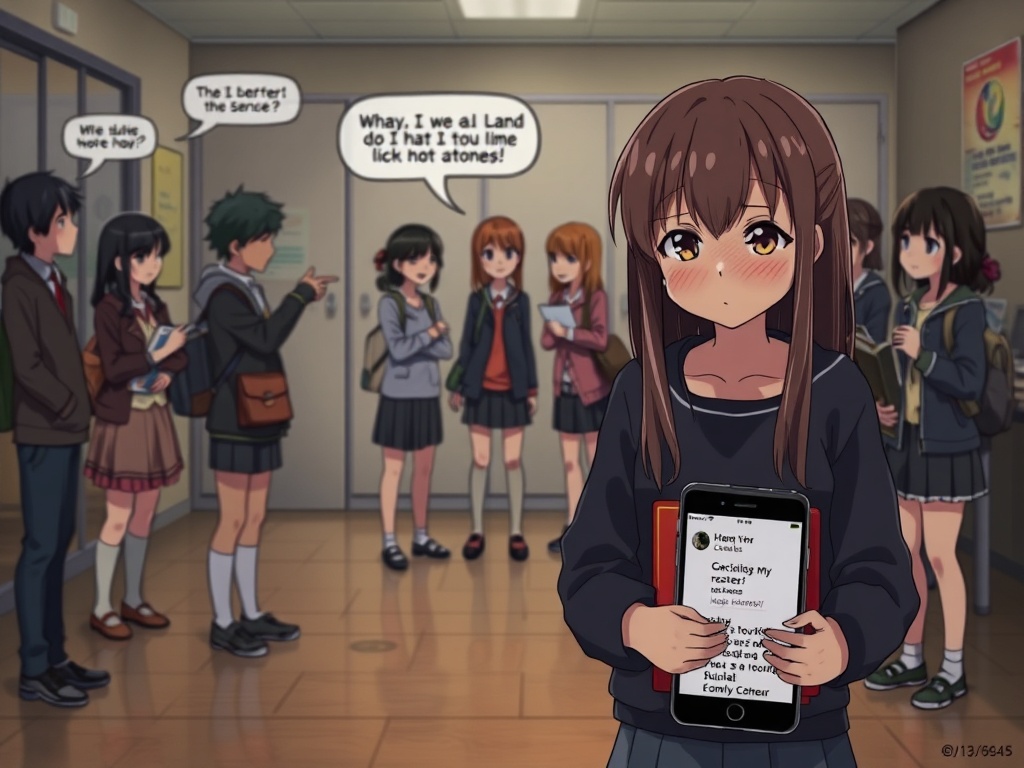
Sexual bullying affects victims in emotional, mental, and psychological in the following ways:
- The persistent feeling of sadness, worthlessness, and anxiety can diminish their ability to sense what is happening around them, weaken their response to external stimuli, and make everything seem meaningless.
- Sexual bullying victims are indecisive in making decisions because they are afraid of thinking about the future. The devastating adventure unintentionally and repeatedly replays the event in their mind, leaving them emotionally overwhelmed.
- Sexual bullying victims are affected in their interpersonal skills, leading to losing trust in interacting with people. They consistency said they feel unsafe whether they are alone with any person or at any place, causing them isolation from the society.
- Sexual bullying victims find it difficult to release the emotional frustrations, leading to developing the suicidal thoughts, substance abuse or harmful behaviour such as smoking and drinking.
- Sexual bullying also affects victims’ daily routine intensively, such as being unable to sleep well, frequent complaining of plain, changing eating habits, and fearing to believe in a normal sexual relationship.
Social bullying
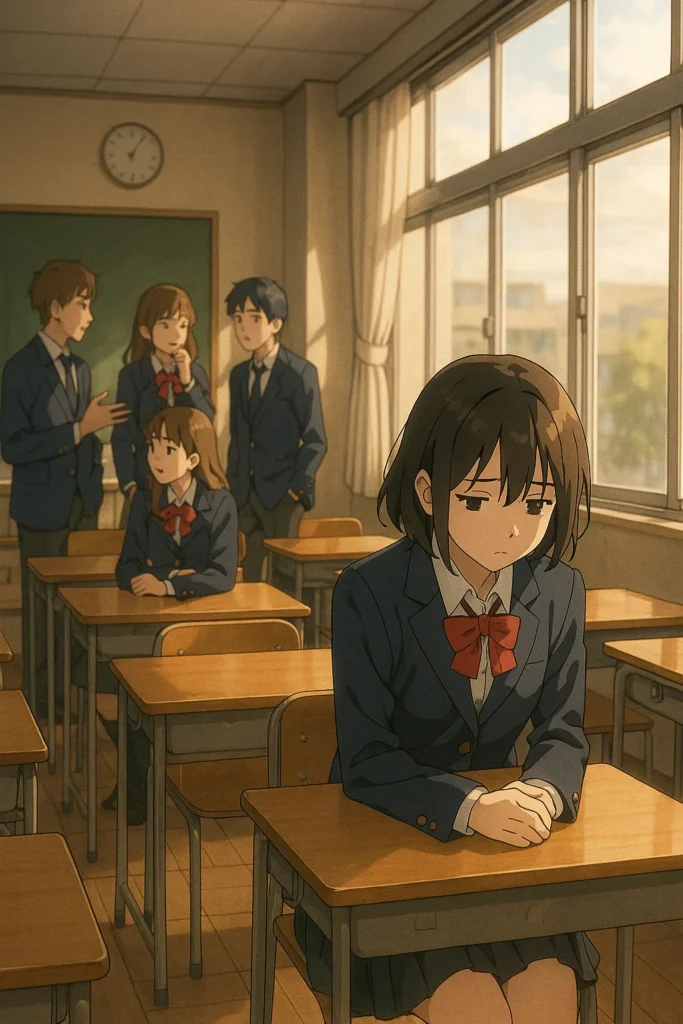
Social bullying affects victims in emotional, mental, and psychological in the following ways:
- In emotional and psychological concerns, social bullying causes victims feeling of sadness, loneliness, depression, anxiety, causing them feelings of shame, diminish self-identity and esteem.
- In mental concerns, victims seldom talk to people, causing them to develop negative mindset; they dislike everyone, or even the world. Victims feel it is difficult to make decision and concentrate.
- During the adolescence period, teenagers require social interaction develop their interpersonal skills, through face-to-face interaction and extracurricular activities. Teens engage in different activities can experience failure, trail-and-error, and success which help develop their own personality, mission, enhance self-esteem, and problem-solving skills.
- Therefore, the effects of isolation on teens are permanent and devasting, leading to a loss of sociall skills, diminishing the sense of the changing environment, decreasing the collaborative capabilities, and causing irreversible damage to their personal development.
Family bullying
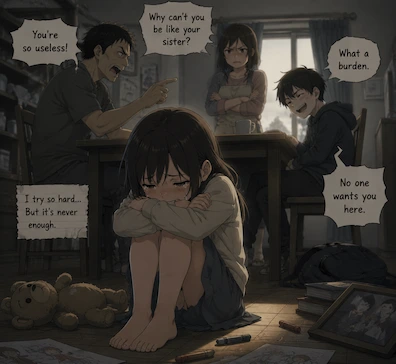
“Family bullying” is a general term to define where the bullying is happening. In fact, family bullying is a complicated type of bullying that it usually consists of verbal, sexual, physical, or social bullying or sometimes develops into more than one type of bullying happening at the same time. No matter the type of bullying involved in the incident, bullying causes devasting effects for teens in emotional, psychological, and mental health, even if they are not the major victims.
Family is an important and vital place for teens’ growth from adolescent to adult. It should be embraced with safety, love, warmth, and happiness. Therefore, family bullying victims affects teens extensively and permanently throughout their life.
Family bullying affects victims in emotional, mental, and psychological in the following ways:
- In emotional and psychological concerns, family bullying victims to have chronic low self-esteem and self-doubt; they are not being loved anymore. They forgive things easily because they lack the courage to complete the task. They self-blame that they are impossible to complete, but, until recently, they did the same task better.
- In mental concerns, family bullying affects victims’ academic result. They are easy to distract and hard to concentrate; hence, it affects their decision-making capabilities. In family, teens frequently observe the fighting and arguing condition, regardless of whether it is happening personality, which causes teens to develop the negative mindset that family is not a warm place anymore. The bullying condition significantly affects teens’ lifetime development and personal growth.
- In health issues, teens living in a bullying situation experience disturbance to daily routine and leads to mental illness problems, such as headaches, stomach aches, sleep and eating disorders, causing teens to feel fatigue and low engagement in learning and social activities.
Psychological and behavioural effect of bullying
Recognizing Bullying Early
Common behaviour sigs in bullied teens
Verbal Bullying
- The common signs of a verbal bullying victim include a sudden loss of interest in doing things they were once interested in.
- They are becoming unusually quiet, but they show irritation, anger, or frustration in emotion and are especially sensitive to external stimuli.
- They are becoming self-isolated and avoid staying in certain places or facing certain people, especially avoiding eye contact.
- Victims feeling like a burden or wanting to disappear could be a warning sign of serious symptoms.
Physical Bullying
- For victims of physical bullying, a clear visible sign of abuse is that they love wearing long sleeves to hide the bruises or even bone cracks. They refused to respond due to injuries, including external hurt or bone crackers.
- For victims of physical bullying, a clear visible sign of abuse is that they love wearing long sleeves to hide the bruises or even bone cracks. They refused to respond due to injuries, including external hurt or bone crackers.
- Victims are always found to have emotional fluctuations, such as sudden crying and changes in mood from happiness to depression.
- Victims appeal to skip the social events that they love, avoid direct contact with certain people, or stay in certain places alone.
- They express and perform in a despairing tone, and sounding hopeless is a clear and serious warning sign of bullying.
Cyberbullying
- For victims of cyberbullying, the normal behavioural signs are sudden changes in online habits, such as withdrawing from social media, account deletion, or changing usernames.
- Victims stop using social media or frequently checking devices unintentionally and anxiously, especially when receiving notification sounds, as they feel anxiety even for a short peiod.
- The cyberbullying victims avoid meeting best friends or social interaction, as they feel shame and humiliation at the exposure of the bullying materials associated with sexual contents, causing them to blame themselves for self-carelessness.
Sexual Bullying
Sexual bullying can lead to the following behavioural changes in victims:
- Experiencing extreme emotional frustration, victims may exhibit bursts of crying, heightened sadness, anger, and screaming, especially when victims are questioned about subtle events or personal matters. They blame as self-carelessness, being unlovable and being unworthy to help. They revealed that the suitable should be different if they had not done something before.
- Victims are afraid of going to certain places or meeting certain people. They always depend on only one person, causing them to be unable to maintain normal social activity or develop trusting relationships.
- Physical injuries, including cuts and burns, as well as engagement in harmful behaviour, such as smoking and drinking, are warning signs that a person is emotionally distressed and in despair.
Social Bullying
Victims of social bullying often develop the following behavioural signs:
- Victims of social bullying may experience feelings of sadness and anxiety since they don’t understand the reasons for the isolation.
- Victims are isolated from classmates in their daily interactions and participating activities, causing them to spend excessive time alone, quiet and introverted. Isolating victims causes them to become more hesitant to speak and fearful of expressing opinions.
- Victims become more emotionally sensitive to all subtle events. They cry frequently and gradually lose interest in their normal beloved activities, finally becoming more self-isolated.
There are several distinctive characteristics of human beings. They are afraid of isolation. They can live alone but cannot be lonely. This is because communication is vital for humans to survive through social activities among people and find the meaningful in life. During the process, nothing will happen as if effective communication is abandoned.
But social bullying is a destructive way to break and turn down the communication.
Social bullying is a powerful strategy to terminate the relation to a person without giving any reason for isolation to victims. But the consequences for the victims, the bullied, and the tribe are permanent and irreversible, both in mental and psychological concerns. Both of them do not gain any advantageous. Moreover, there is no way to rebuild the destructible relationship, even with the end of bullying and the acceptance of an apology.
Family Bullying
Victims of family bullying often develop the following behavioural signs:
- Victims afraid of going home after school are a clear sign of facing family bullying incidents, or there are ton of reasons they reject bringing friends home. They become highly sensitive and emotionally frustrated while questioning family issues.
- Family bullying victims express gloomy, unhappy moods or become less talkative, which sounds like a totally different personality. They are abandoning the activities that they were formerly interested in and staying lonely without giving any response to inquiries.
- If teens are involved in physical harassment in family bullying, abnormal hurt signs may appear on their body surface. But teens are rare to report they are being harassed, as they don’t want to report their relatives accused of bullying.
Teachers’ and parents’ strategy to recognize bullying
What Causes Bullying?
Bullying refers to behaviour in which a person harms or intimidates someone weaker. Bullies can be an individual or a group who cause the victim unbearable embarrassment, distress, or discomfort, and in severe cases may inflict physical harm. Bullying victims do not only happen on adolescents at school but also include people at workplace. If bullying activities do not satisfy the bully’s desires, they may eventually turn to mistreating animals, such as dogs or cats, as this may provide greater satisfaction.
Forms of Bullying
There are six types of bulling: verbal, physical, cyber, sexual, social and family bullying.
Verbal bullying
Verbal bullying involves repeatedly saying offensive things to someone. Offensive content includes mocking, insulting, offending, cursing or using foul language, and causing embarrassment, stress, and shame in a work or learning environment. As bullies rarely change their self-behaviour, they continue to use abusive content to enhance their reputation. The longer the victims are exposed to the hostile environment, the more they lose their confidence.
Physical Bullying
Physical bullying includes fighting, shoving, pushing, tripping, damaging, ruining or stealing others’ personal belongings. It may be carried out by individuals or groups.
Cyberbullying
Cyberbullying involves sharing unauthorised materials, such as photos, text, videos, modifying certain incorrect, rumour-based, negative or offensive content.
Sexual Bullying
Sexual bullying involves physical and emotional acts. Emotional action includes talking about sexual topics or unauthorisedly disclosing sexual videos, messages, or photos to social media. The aim is to cause people to feel embarrassed.
For the physical sexual bullying, victims are forced to maintain multiple sex relationships. For instance, they may be involved in sex games such as taking off clothes, kissing, hugging or touching in some celebrating activities.
Social Bullying
Social bullying refers to repeated actions by an individual or group that damage a person’s relationships within their community. The intent is to undermine the victim’s credibility, authority, and reputation within their industry or community, ultimately isolating them. Day after day, bullies cause loss of confidence in work or study.
Family Bullying
Family bullying is composite bullying. The cases always become complicated to handle as they conclude with physical, sexual, verbal, or social bullying. Unfortunately, many of us always ignore the consequences of family bullying that are being caused. As a result, we must take extra precautions to prevent the family bullying from minimize condition and eventually turn into catastrophizing disaster, thus cause huge impacts on society.
Causes of bullying triggers and risk factors on childhood
Why teens are especially vulnerable
Adolescence is an important stage of growth in humans as they develop from childhood to adulthood. The World Health Organization (WHO) defines individuals aged 10 to 19 as adolescents.
During adolescence, most teenagers observe themselves experiencing rapid psychological and physiological changes. Many of them may show symptoms of certain psychological disorders, such as insomnia, anxiety, depression, confusion, fear, excessive worry, extreme mood swings, and feeling so overwhelmed that they are exhausted. They find it difficult to accomplish tasks properly, leading to a lack of interest in focusing on the right direction in life. Their unhappiness often drives them to self-harm or gradually develops suicidal thoughts.
Furthermore, adolescents also find it difficult to handle conflicts. They are easily tempted and follow the verbal instructions from strangers. Moreover, they want to perform their best and stand out among others, but they are unaware that they are not yet mature enough to cope with certain unusual situations. Furthermore, they do not realize how easily they can be influenced by external temptations. They do not understand that saying ‘no’ is an effective way to eliminate potential danger. If they do not handle it in time, the situation may become disastrous.
In addition, teenagers are easily tempted and tend to follow and listen to others’ instructions; they want to perform their best and stand out among their peers, but they are not yet aware that they are not mature enough to deal with certain abnormal situations. They fail to recognize that saying “no” is an effective way to prevent potential dangers and that failing to address issues in a timely manner can turn manageable conditions into a disaster.
Note:
Bullying behavoiur is often influenced by impulsive or poorly through-out choices. To understand how decision process shape teen actions, you can read my post on long-term personal development and decision-making.
How teens affected by peer pressures to become bullies
Bullying Statistics: What Teens Are Facing Today
According to research on US government data by Google AI, more than one-third of American teenagers experienced bullying in 2024.
In the UK, a report from Anti-Bullying Week highlighted that a quarter of people under 25 are currently experiencing bullying. Additionally, another study indicated that over 23% of children aged 4 to 18 were victims of bullying in 2024.
Data on bullying locations revealed that the Philippines and Latvia have the highest number of bullying victims in the world.
A report titled ‘Cyberbullying remains prevalent in the Philippines—Other countries—Online violence affects nearly half of 13–17-year-old Filipino children,’ authored by reporting officer Jacques Gimen, was published on the UNICEF website on 6 September 2019. The report noted that over 43% of boys and girls aged 13 to 17 had experienced cyberbullying.
Famous People Quote on Stop Bullying
Many famous people are anti-bullying supporters. They encourage all of us to stand together to fight against the bullying. Here is their sincere quote:
Keshia Chante
The world is full of bullying, but it’s also full of people who choose to make it better
Ellen DeGeneres
Bullying is never okay. It’s a form of abuse, and it causes lasting damage to people, especially young people.
Lady Gaga
When you see someone being bullied, you have the power to stop it. That’s why I speak up. And I hope you’ll join me
Lupita Nyong’o
Too many people have been hurt by the words of others. We need to learn to be more respectful of one another
Megan Nicole
We cannot let the bullying continue. We need to stand up and make sure it stops. And we need to make sure the consequences are real.
Justin Timberlake
We all have a responsibility to prevent bullying. I am a proud supporter of efforts to raise awareness of this issue and stop bullying before it starts
Conclusion
Through continuous strategies, actions can be taken to establish sustainable anti-bullying measures, such as creating an environment filled with kindness and empathy, teaching teenagers confident communication skills, strengthening peer support networks, enhancing digital safety and online bullying regulations, training teachers in proper intervention, encouraging reporting and safe disclosure, and improving school anti-bullying policies.
Frequently Asked Questions
Answer: The most effective approaches include early intervention, teaching empathy, building supportive school environments, and strengthening communication between parents, teachers, and teens.
Answer: Sudden mood changes, avoiding school, unexplained injuries, loss of interest, and anxiety are common indicators.
Answer: Peer pressure, low self-esteem, family issues, desire for power, or exposure to aggressive environments can contribute.
Answer: Clear rules, monitoring behavior, creating a safe environment, and early conflict mediation are key.
Answer: Listen to teens actively, document incidents. If bullying is discovered, speak to school authorities, and seek mental health support when needed.